
Last updated November 2, 2026
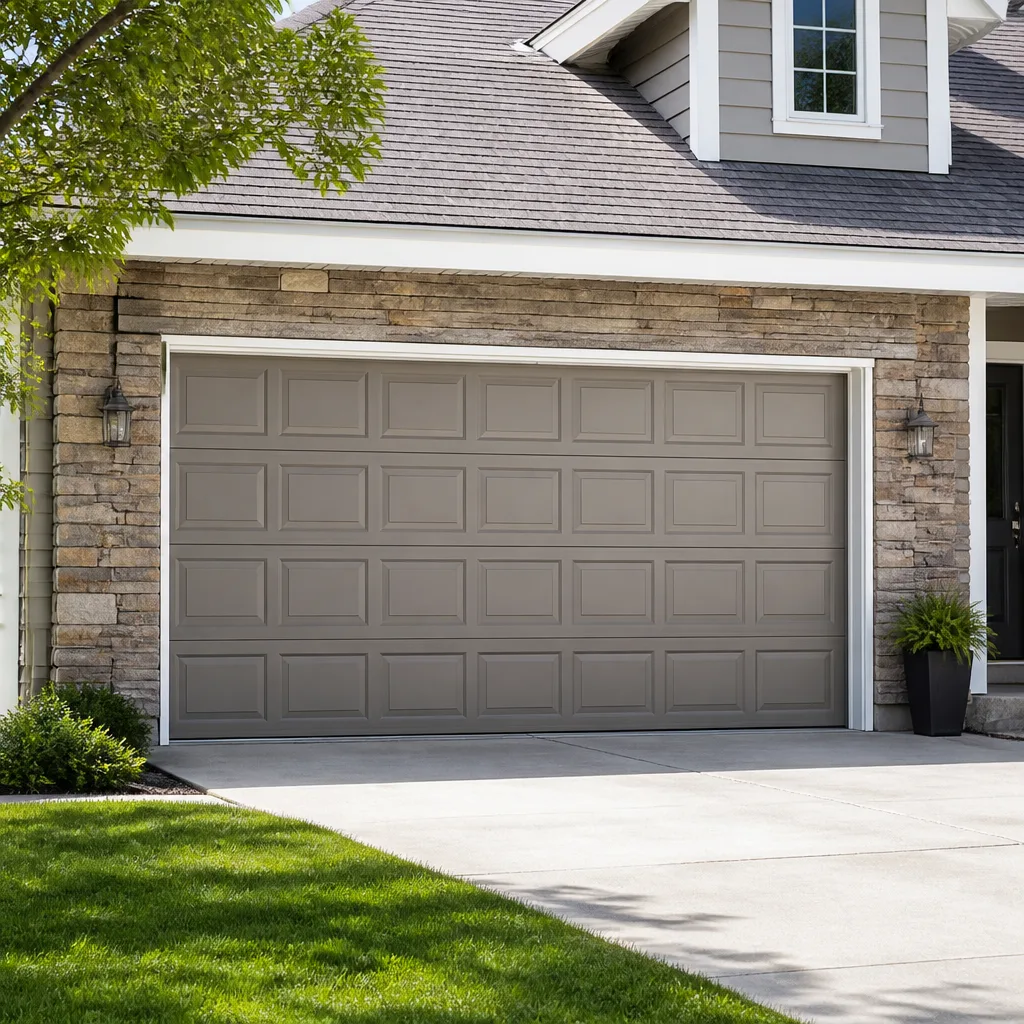 Raised-panel steel
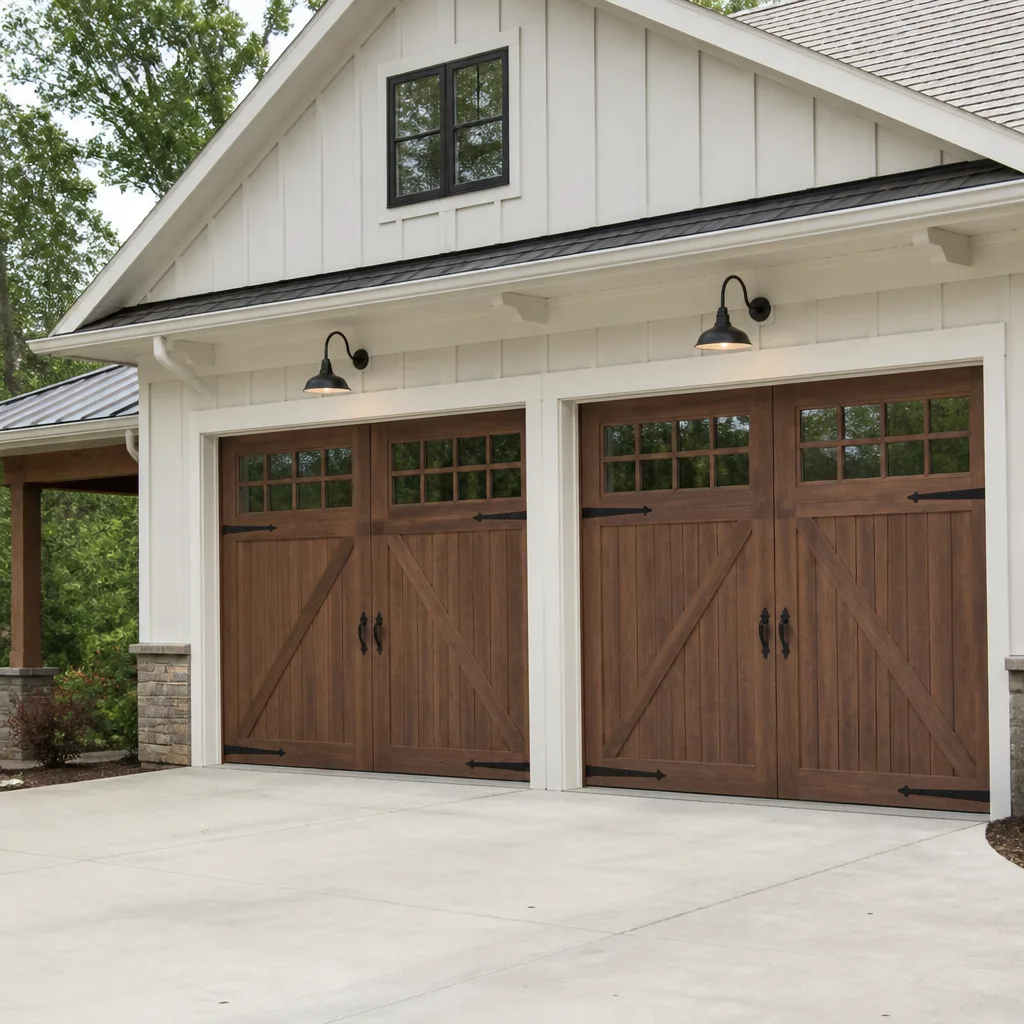 Carriage house
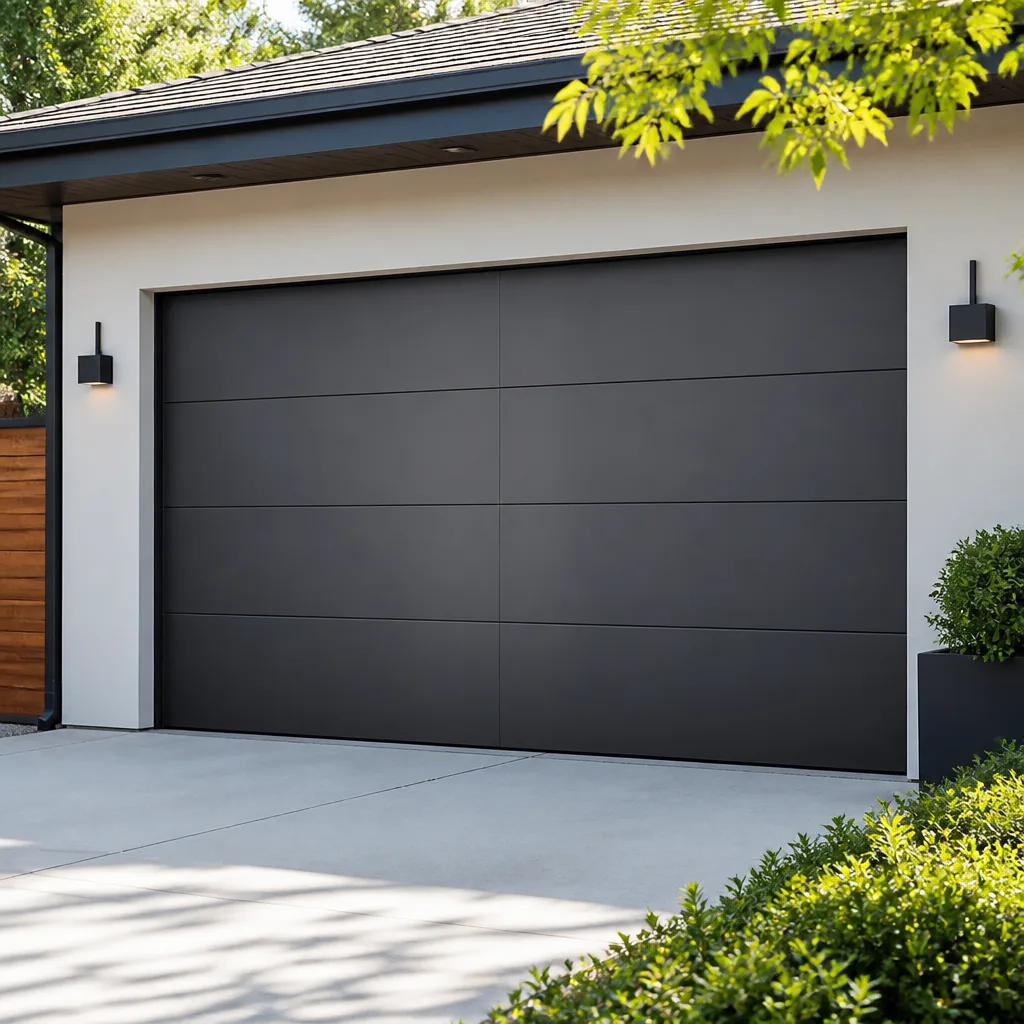 Modern flush
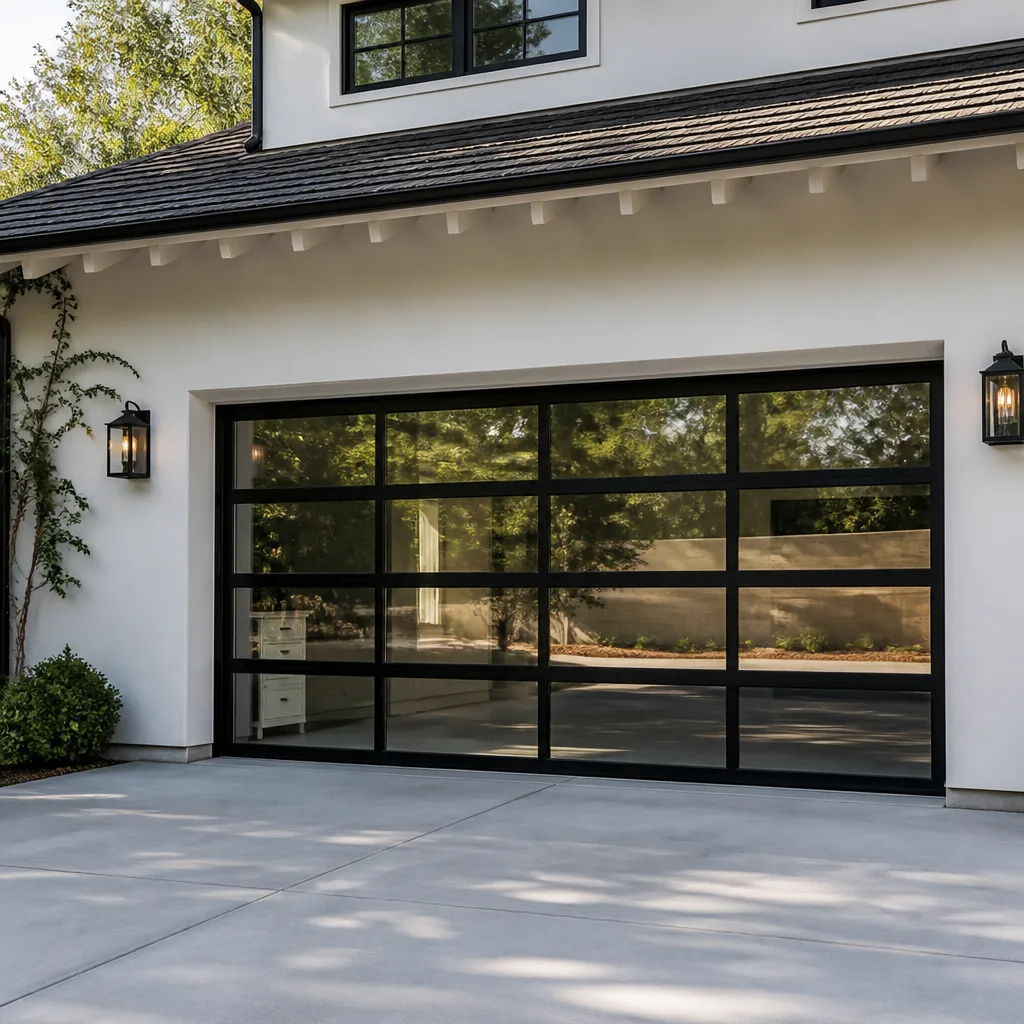 Full-view glass
 LiftMaster openers
 Chamberlain openers
Full 25-point door and opener safety check with every visit - springs, cables, rollers, tracks, and your LiftMaster or Chamberlain opener included
You get a price before we start. It does not change when the truck arrives.
Get your free estimateGarage Door Warning Signs: An Oxnard Homeowner’s Reference Guide
Most garage doors don’t fail without warning. They telegraph trouble for weeks, sometimes months, before the day they refuse to open. The problem is that the signals are subtle: a half-second hesitation, a faint metallic ping, a door that sits slightly crooked in the frame. Homeowners in Oxnard, where salt air and coastal humidity accelerate wear on springs, rollers, and cables, need to read those signals early. This guide maps specific symptoms to likely causes so you’ll know whether you’re looking at a $30 roller replacement or a spring that could snap and put a hole in your car. You’ll learn how to describe what you’re seeing in a way that gets you an accurate picture of the problem before anyone even shows up.
Quick Answer
The most common garage door warning signs in Oxnard are slow or jerky operation, grinding or squealing sounds, a door that hangs crooked, visible rust on springs and cables, and opener lights that flash without moving the door. Slow or jerky movement usually points to worn rollers or an opener struggling against a dying spring. Squealing means dry or failing rollers, grinding often signals a worn gear inside the opener, and a crooked door is almost always a cable or spring problem. Ignoring these symptoms turns a minor fix into a major repair, and some of them, particularly spring and cable issues, are genuinely dangerous to work on yourself – one reason many homeowners consult our guide on How to Hire a Garage Door Contractor in Oxnard: A Step-by-Step Guide before calling.
Styles & brands we work with
- Raised-panel steel
- Carriage house
- Modern flush
- Full-view glass
- LiftMaster openers
- Chamberlain openers
Table of Contents
- Reading the Sounds Your Door Makes
- Movement Problems: Slow, Jerky, or Stuck
- Visual Warning Signs Specific to Oxnard’s Climate
- Opener Light Codes and What They Actually Mean
- Dangerous Now vs. Can Wait a Week
- How to Describe Symptoms for an Accurate Phone Estimate
- Brand-Specific Problem Patterns We See Regularly
- Common Mistakes to Avoid
- When to Call a Professional
- Frequently Asked Questions
Reading the Sounds Your Door Makes
A garage door in good condition is quiet enough that you barely register it opening. When sounds change, something mechanical is telling you it needs attention. Different noises point to different components, and matching the sound to the part saves you from replacing the wrong thing.
Here’s what we hear most often on service calls around Oxnard, from RiverPark to the Seabridge homes near the marina:
- Squealing or high-pitched whining: This is almost always the rollers. Over time, the ball bearings inside the roller dry out or the roller itself wears flat on one side. Oxnard’s coastal moisture accelerates this. If the squeal is constant through the full travel, it’s rollers. If it only happens at certain points, the track may be slightly misaligned, forcing the roller to bind.
- Grinding or rattling from the opener unit: If the noise comes from the motor housing mounted on the ceiling, not the door itself, you’re likely hearing a stripped drive gear. This is common on chain-drive openers, including older LiftMaster and Chamberlain units. The nylon gear inside wears down after years of use, and the chain starts slipping over it. Replacement is straightforward, but ignoring it will eventually leave the opener running without moving the door at all.
- Popping or banging during travel: A single pop when the door starts moving often means a section is binding, usually because a roller has come out of the track or the track itself has taken a hit. Repeated banging as the door moves is more serious: it can indicate a broken spring that’s now catching on itself, or a cable that has jumped its drum.
- Silence when you press the button: No sound at all typically means an electrical issue rather than a mechanical one. Check the outlet, check the breaker, then look at the opener’s lights. If the lights don’t come on at all, the opener isn’t receiving power. If the lights flash but nothing moves, you’re looking at a sensor or logic board fault, which we cover below.
One sound that surprises people is a soft pinging from the springs when the door stops moving. In our experience, this often precedes a spring failure. The coil is losing tension and settling. If you hear it, schedule an inspection sooner rather than later.
Movement Problems: Slow, Jerky, or Stuck
A door that opens slower than it did six months ago isn’t just annoying, it’s diagnostic. The speed of travel tells you a lot about the health of the system, and most Oxnard homeowners wait too long to investigate it.
Slow but smooth operation generally points to one of three things. The most common is a spring that’s losing tension. Extension and torsion springs weaken progressively, and as they lose strength, the opener has to work harder to lift the same weight. That extra strain shortens the opener’s life. The second possibility is an opener motor that’s simply aging, common on units that have passed the 12 to 15 year mark. The third, and easiest to fix, is a lack of lubrication on the rollers and hinges. Coastal air in Oxnard can dry out factory lubricant faster than inland climates.
Jerky or shuddering movement is a different problem entirely. When the door seems to catch and release as it travels, you’re usually dealing with one of these:
- A roller that has worn flat or seized, causing the door to drag against the track each time that roller passes through a curve.
- A track that has been knocked out of alignment, often by a car bumper or a broom handle that hit the vertical section.
- A cable starting to fray, catching intermittently on the drum as it winds and unwinds.
- A section hinge that’s bent or missing a bolt, allowing one panel to flex independently of its neighbor.
If the door stops halfway and reverses, that’s usually the opener’s force-safety system kicking in. It senses resistance it wasn’t expecting and backs off. The resistance could be a genuine obstruction, or it could be the opener struggling against a failing spring. Both need attention, but the spring is the one you can’t see and shouldn’t ignore.
For a deeper look at what a professional inspection covers, see our Garage Door Repair in Oxnard page. The short version: movement problems are rarely the opener’s fault, even when they look like they are.
Visual Warning Signs Specific to Oxnard’s Climate
Oxnard’s proximity to the Pacific is great for living and hard on metal. The marine layer pushes moisture and salt into every corner of a garage, and the door is the first thing to show it. You can catch a lot of problems by simply looking at the hardware once a month.
Rust on springs is the big one. A torsion spring in Oxnard will show surface rust within a few years, faster if the garage faces west and catches the afternoon wind off the ocean. Surface rust alone isn’t a failure indicator, but when you see deep orange patches, flaking metal, or rust that looks like it’s penetrating between coils, that spring is significantly weakened. Springs fail by snapping, and when they snap under full tension, the sound is often described as a gunshot. The damage from a snapped torsion spring ranges from cosmetic dents in the drywall to a broken car windshield.
Black streaks on the tracks are another common finding. This is usually rubber or metal dust from failing rollers grinding against the track. If you wipe the streak and it returns within a week, the roller is actively disintegrating.
Frayed cables are a bright-orange cluster of broken wire strands near the bottom fixtures of the door. In Oxnard, cable rust is accelerated by the same salt air that attacks springs. A frayed cable is an immediate concern because when it parts, the door falls unevenly and can drop suddenly. This is not a wait-and-see situation.
Gaps or sagging at the bottom, especially on the west-facing doors that take wind-driven rain, often means the bottom seal has hardened and cracked. This isn’t a mechanical failure, but it lets in moisture that rusts everything else faster, and it’s worth replacing the seal to protect the rest of the system.
Opener Light Codes and What They Actually Mean
When you press the wall button or remote and the opener lights flash but the door doesn’t move, the opener is trying to tell you something. Different brands use different flash patterns, and knowing yours can save you a service call or, more often, get you a more accurate phone estimate.
LiftMaster and Chamberlain units use a diagnostic LED that flashes a number of times, pauses, and repeats. Here’s what the most common patterns mean:
- 1 flash: The safety sensors are misaligned or obstructed. This is the most common issue, and it’s often fixed by realigning the sensors so their indicator lights are solid, or clearing a leaf, spider web, or box that’s blocking the beam.
- 2 flashes: The sensors are wired incorrectly or one has failed. Check that the wires at the back of the opener are secure.
- 3 flashes: The door’s travel limits are off, or the opener has lost its limits after a power surge. This typically requires reprogramming.
- 4 flashes: The safety reversal system needs attention, often after a spring replacement or tension adjustment.
- 5 flashes: The opener’s internal logic board is failing. This usually means replacement of the openers control board or the whole unit.
Genie units differ. A red light blinking twice on a Genie opener usually indicates the Safe-T-Beam sensors are the problem, same as LiftMaster’s one-flash code. A green light that blinks rapidly often points to an RPM sensor fault inside the motor, which is an internal repair, not something you can see from outside.
The key point: a flashing light is not random. It’s a diagnostic code, and being able to report the pattern, the brand, and the approximate age of the unit gets you further on a phone call than saying “the opener is broken.”
Dangerous Now vs. Can Wait a Week
Not every garage door problem is an emergency. But some are, and the difference matters. Here’s a practical framework we use with Oxnard homeowners to decide what needs attention today and what can sit.
Use the door, but schedule service soon if:
- The door is slow but still opens and closes fully.
- You hear occasional squealing from the rollers.
- One section of the door has a small dent but the panel alignment is still straight.
- The opener’s remote range has shortened, and you need to be closer to the door before it responds.
- The door sits level and closes flush, but the bottom seal is cracked.
Stop using the door and call a professional now if:
- The door hangs visibly crooked in the opening, even slightly. This means a cable, spring, or hinge has failed, and continued operation risks the door coming off its tracks.
- You find a frayed cable. Cable failure under load drops the door fast, and doors weight 150 to 350 pounds, sometimes more.
- The spring has visible rust that’s flaking or penetrating between coils. This is a spring that could snap the next time the door cycles.
- The opener lights flash and the door reverses or stops mid-travel repeatedly. The safety systems are doing their job, but the underlying cause needs to be found.
- You hear a grinding noise from inside the opener unit itself. A stripped gear will only get worse, and the opener will stop working entirely, usually at the worst time.
Never, under any circumstances, attempt to replace or adjust a torsion spring yourself. Those springs hold enough tension to cause serious injury or death if released improperly. This is the one repair where a trained professional is the only safe option, full stop.
How to Describe Symptoms for an Accurate Phone Estimate
When you call a garage door company, the person on the phone is trying to answer two questions: what’s most likely wrong, and how urgent is it. Your description determines both. Here’s how to give the right information in the right order.
- State the brand of the door and the opener. Brands like LiftMaster, Chamberlain, and Genie have known failure patterns. Knowing the brand instantly narrows the diagnostic options. If you don’t know the opener brand, check the motor housing; the name is printed on the side.
- Describe the symptom, not your diagnosis. Say “the door shudders when it’s halfway up and then keeps going” rather than “I think the spring is broken.” A shuddering door points to a roller or track issue much more often than a spring. Let the symptom do the diagnostic work.
- Describe when it happens. Does the problem occur on every cycle, or only when it’s cold, only after the door has been open for a while, or only when using the remote versus the wall button? Timing is diagnostic.
- Describe the sound if there is one. Use the words from the sounds section above: squealing, grinding, popping, or silence. Each one maps to a different component.
- Mention any recent events. Did the door take a hit from a car? Was there a power outage recently? Did the problem start after a storm? Context matters more than most people realize.
- Ask directly about the estimate. Say something like, “Based on what I’m describing, can you give me a range over the phone?” A shop that knows the brands and does the work daily should be able to give you a realistic range for common failures like rollers, cables, or opener gears. If the answer is vague, that’s information too.
This approach saves you time and, in many cases, gets a technician dispatched with the right parts on the truck so the fix happens in one visit instead of two. We cover our diagnostic process in more detail on our Garage Door Opener Repair in Oxnard page.
Brand-Specific Problem Patterns We See Regularly
After working on garage doors across Oxnard for years, certain patterns emerge by brand. We’re not saying these are defects, just that every manufacturer has components that wear in predictable ways. Knowing yours helps you anticipate what’s coming.
LiftMaster and Chamberlain openers, which share a parent company and many internal parts, tend to wear out their drive gears between years 10 and 14. The nylon gear strips slowly, producing that grinding sound we described earlier, until one day the motor runs and nothing moves. The good news: the gear itself is an inexpensive part, and replacing it often gives the opener another decade.
Genie openers are known for two things: extremely durable motors and sensor systems that get finicky with age. Genie’s Safe-T-Beam sensors are sensitive to even slight misalignment, which is why you’ll often see older Genie units flashing codes that point to sensor faults. The motor, meanwhile, usually outlives the rest of the unit. When a Genie opener fails, it’s often worth repairing rather than replacing.
Clopay doors, one of the most common brands in Oxnard’s newer construction tracts, are well built but the rollers Clopay installs at the factory are entry-level nylon units. They last six to ten years in Oxnard’s coastal air before they start to flatten or seize. Upgrading to a higher-grade roller with sealed bearings is a straightforward upgrade that quiets the whole door.
When a door and opener are from different brands, and they often are, the diagnostic challenge doubles. That’s why we carry replacement parts for all of these systems and train our technicians on brand-specific failure patterns, not just generic door mechanics. For new installations that match your door and opener properly, see our Garage Door Installation in Oxnard service details.
Common Mistakes to Avoid
- Lubricating a noisy door without checking the rollers. Spraying lubricant on a worn roller quiets it for a week, but the underlying wear continues. You’re masking the symptom, not treating the cause. Check for flat spots or wobble first, then lubricate if the roller is still round.
- Continuing to use a door with a visibly broken spring. Some homeowners assume if the opener can still lift the door, the broken spring isn’t a big deal. It is. The opener is doing work it wasn’t designed for, and the remaining spring half can snap under load. This is how garage doors fall.
- Pulling the emergency release cord while the door is up. If a spring is broken and you pull the release, the door can drop instantly. The release cord is designed for power outages, not as a regular operating method, and certainly not when the door’s balance is questionable.
- Ignoring a flashing opener light because “the door still works.” Flashing lights mean the safety system has detected a fault. Even if the door operates, that fault is real and won’t fix itself. A door that reverses unpredictably is a hazard to children and pets.
- Tightening bolts on a crooked door to “straighten it out.” A crooked door is a cable or spring problem. Tightening hinge bolts or track bolts won’t correct it and can make the misalignment worse by locking the door’s geometry into the wrong position.
- Replacing the opener when the door itself is the problem. When a door gets heavy and slow, many Oxnard homeowners assume the opener motor is dying. More often, the spring has lost tension and the opener is working against extra weight. A new opener on an unbalanced door will have the same problem in six months.
- Waiting until the door “actually breaks” to call. By the time a garage door fully fails, the repair is almost always more expensive than it would have been a month earlier. A $40 roller replacement becomes a $300 track repair. A $150 spring replacement becomes a $600 job when the spring snaps and takes the cable with it.
When to Call a Professional
Some garage door work is genuinely DIY-appropriate: replacing a worn bottom seal, lubricating hinges and rollers, tightening loose bolts on the track brackets. But any issue involving springs, cables, or the opener’s internal components calls for a trained technician. The energy stored in a torsion spring can release without warning, and garage door cable failures drop doors fast enough to injure or kill. If you’re seeing any of the warning signs in this guide, and especially if you’re seeing more than one, call before the problem compounds. Garage Door Repair Oxnard home is our starting point for scheduling. Garage Door Repair Oxnard offers free estimates in Oxnard, call (833) 706-7472 to get yours.
Frequently Asked Questions
In Oxnard, a slow garage door typically costs $100 to $250 to fix when the cause is worn rollers or a lubrication issue, and $150 to $400 when the spring needs replacement or tension adjustment. Slower operation from an aging opener motor runs $250 to $500 for a rebuild or replacement. Call (833) 706-7472 with your symptoms and brand, and we’ll give you a realistic range before we send anyone out.
We schedule service in Oxnard with an emphasis on getting doors working again quickly, and emergency spring and cable failures are prioritized. The best way to find out today’s availability is to call (833) 706-7472 and describe what you’re seeing. The more specific you are about the symptom, the faster we can tell you when a technician can get there.
The price you get on the phone is an estimate based on what you describe, and the final quote is always given and agreed before any work begins. If a technician arrives and finds a different issue than described, you’ll get a revised quote up front. You always know the price before we start the repair, and you can decline the work at that point with no charge beyond the diagnostic visit if applicable.
Yes, our service trucks carry the common replacement parts for LiftMaster, Chamberlain, Genie, and Clopay systems: rollers, cables, springs, gears, sensors, and logic boards. For parts that are less commonly replaced, we source them quickly. The goal is to finish the repair in one visit whenever possible.
Coastal Oxnard sees faster spring and cable corrosion, roller bearing deterioration from salt air, and a higher rate of bottom seal cracking from wind-driven rain. Homes in the Channel Islands Harbor area and along the Sandpiper corridors report spring failures earlier than inland Oxnard homes with the same door age. Regular visual inspection of springs and cables catches most of this before it gets dangerous.
At 15 years old, an opener is approaching the end of its typical service life, and the smart decision depends on what’s wrong with it. Minor parts like gears, sensors, and belts are worth repairing on older units, especially on well-built brands like LiftMaster and Genie. When the motor itself fails or the logic board goes, replacement usually makes more sense than repairing a unit that’s already at the end of its useful range.
The Bottom Line
Your garage door gives you clear warning signs before it fails: sounds, speed changes, visual rust, and flashing diagnostic lights. Learning to read those signs in an Oxnard climate, where salt air compresses the timeline on spring and cable wear, is the difference between a minor repair and a major one. The most useful things you can do are simple: check the springs and cables visually once a month, listen for changes in how the door sounds, and when something feels off, describe it precisely and call before it becomes an emergency. A slow door, a shudder, a single pop: each one is a signal with a specific meaning. The sooner you act on it, the cheaper and safer the fix.
Written by the team at Garage Door Repair Oxnard, serving Oxnard since 2016.
See the difference
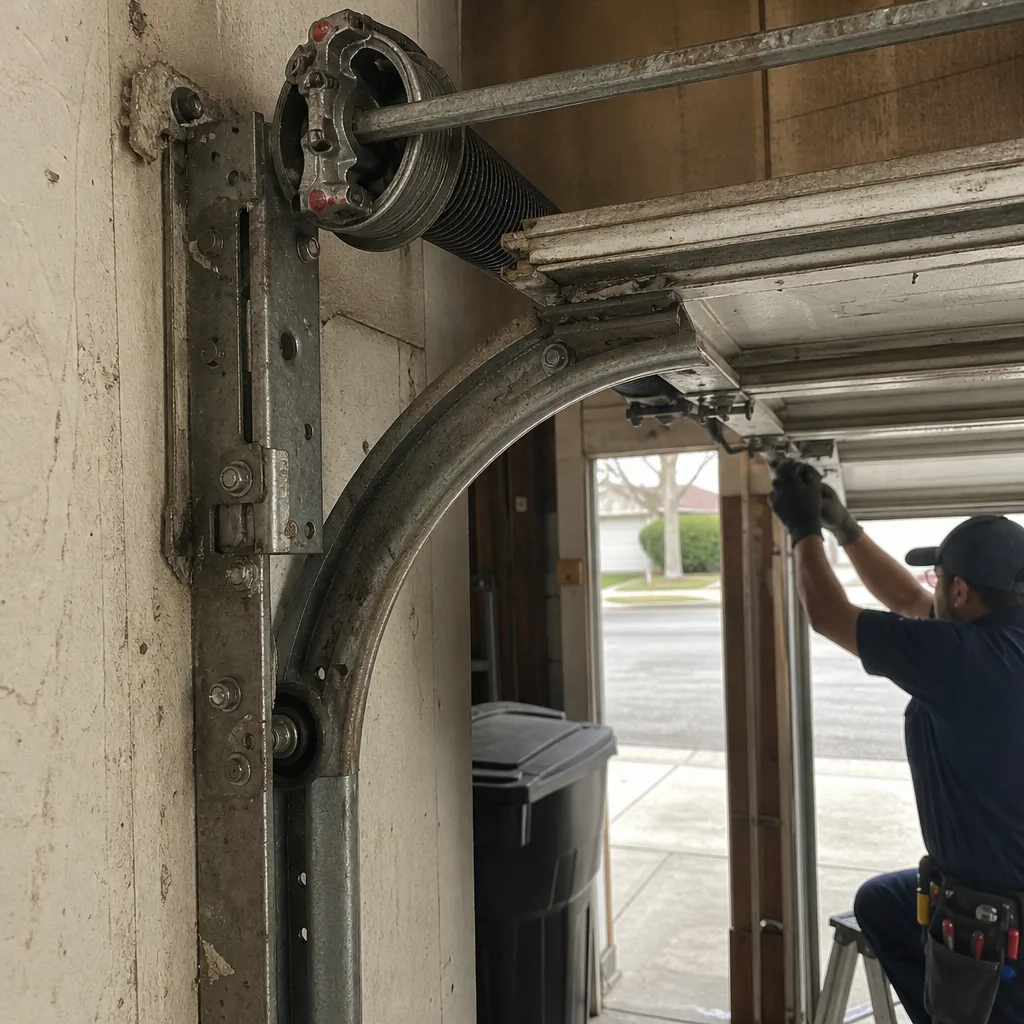 Before
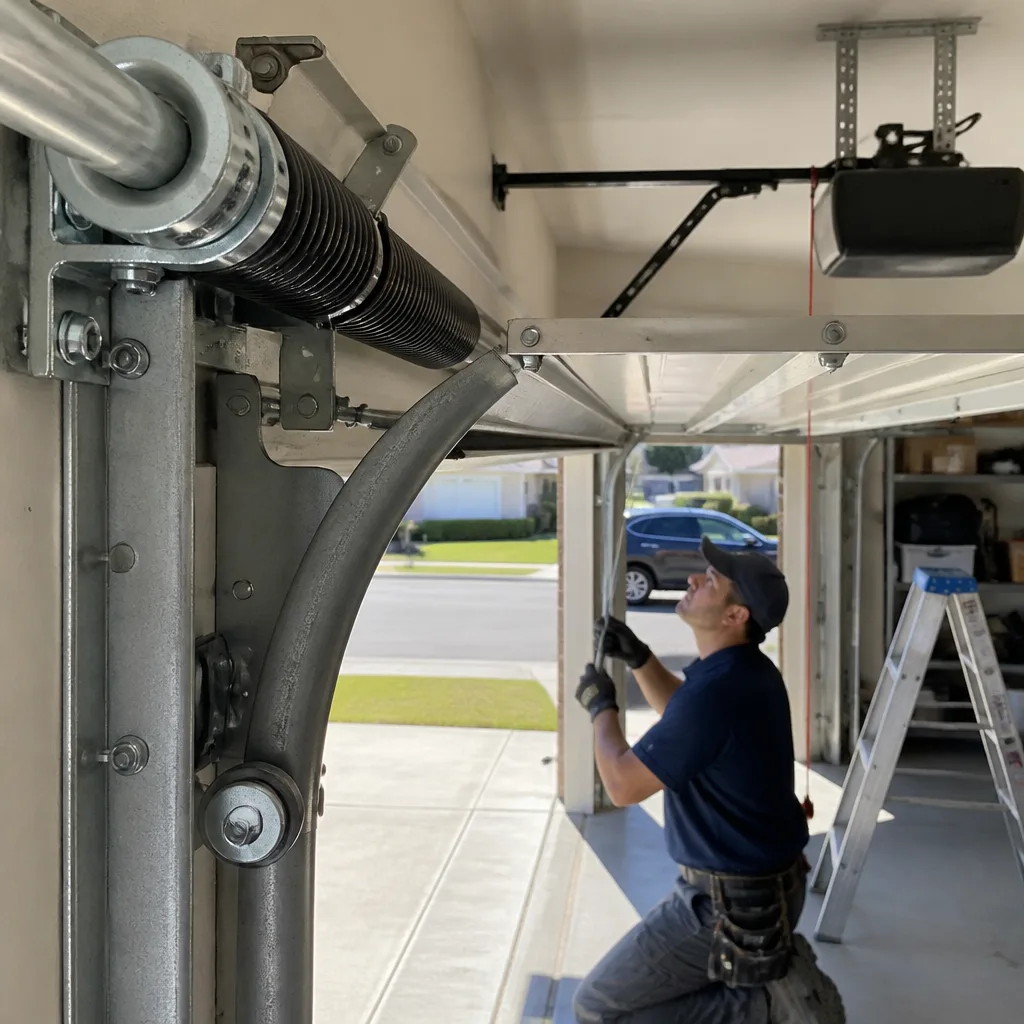 After
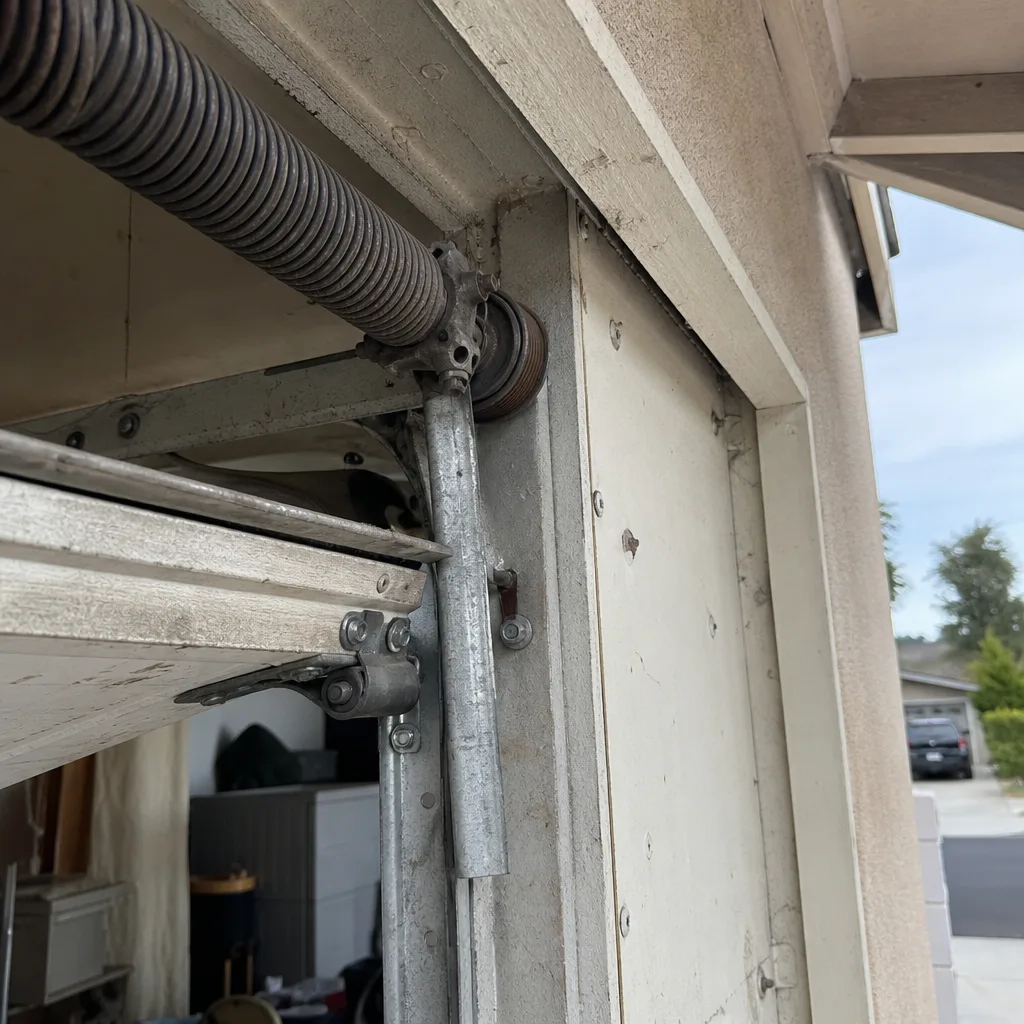 Before
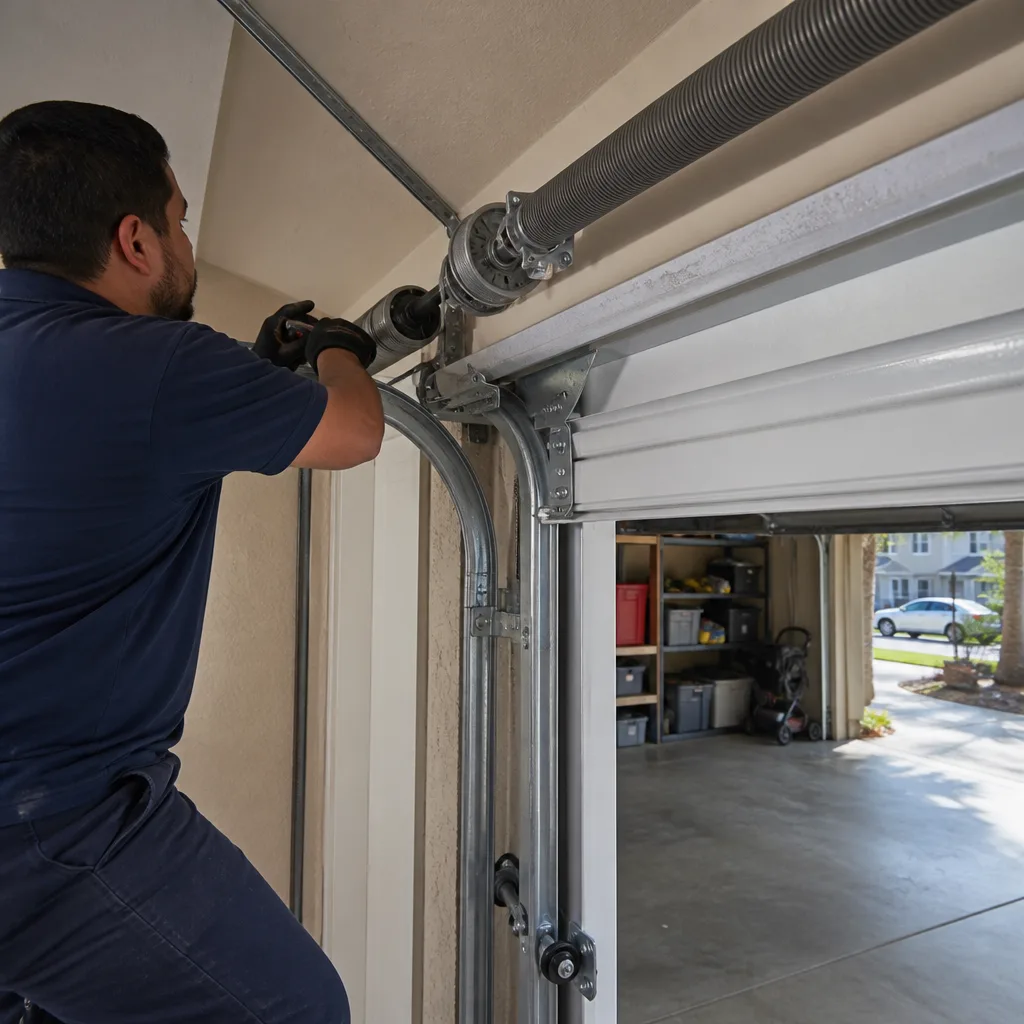 After
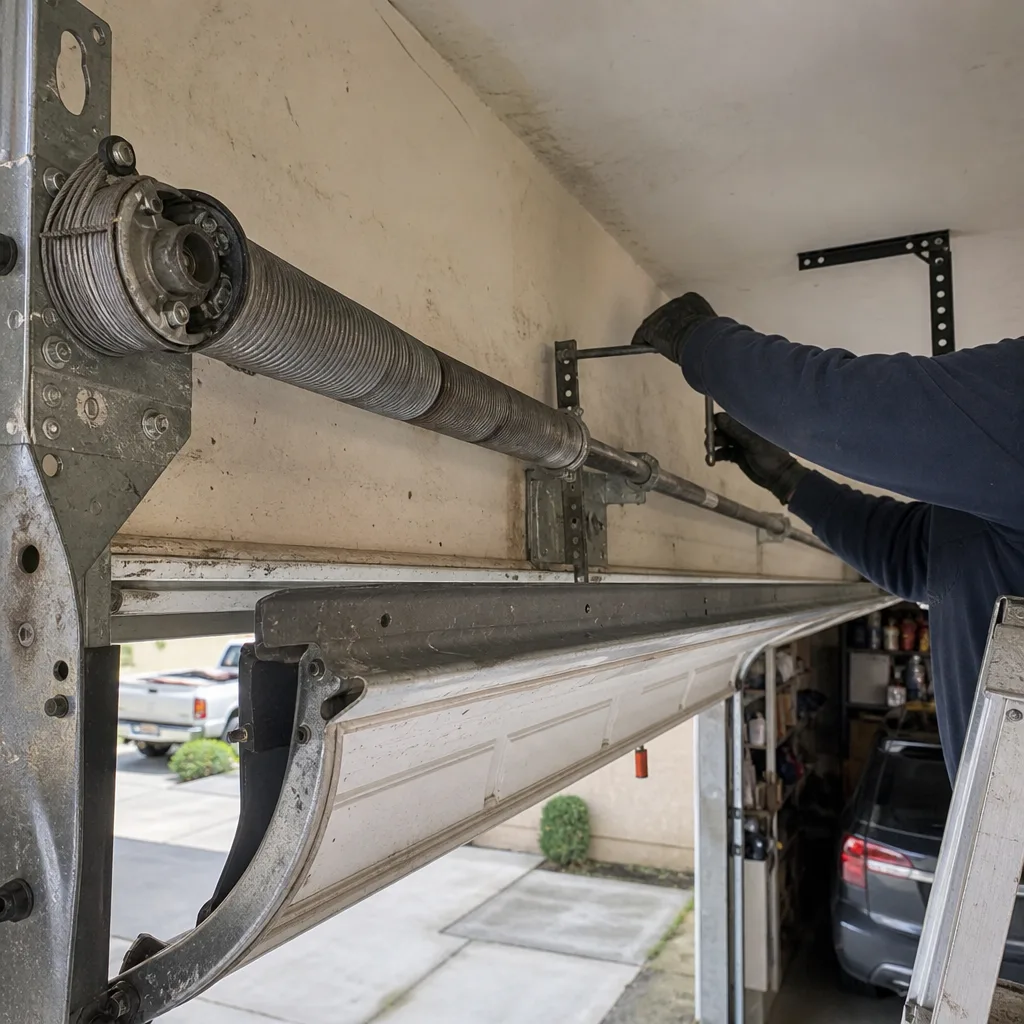 Before
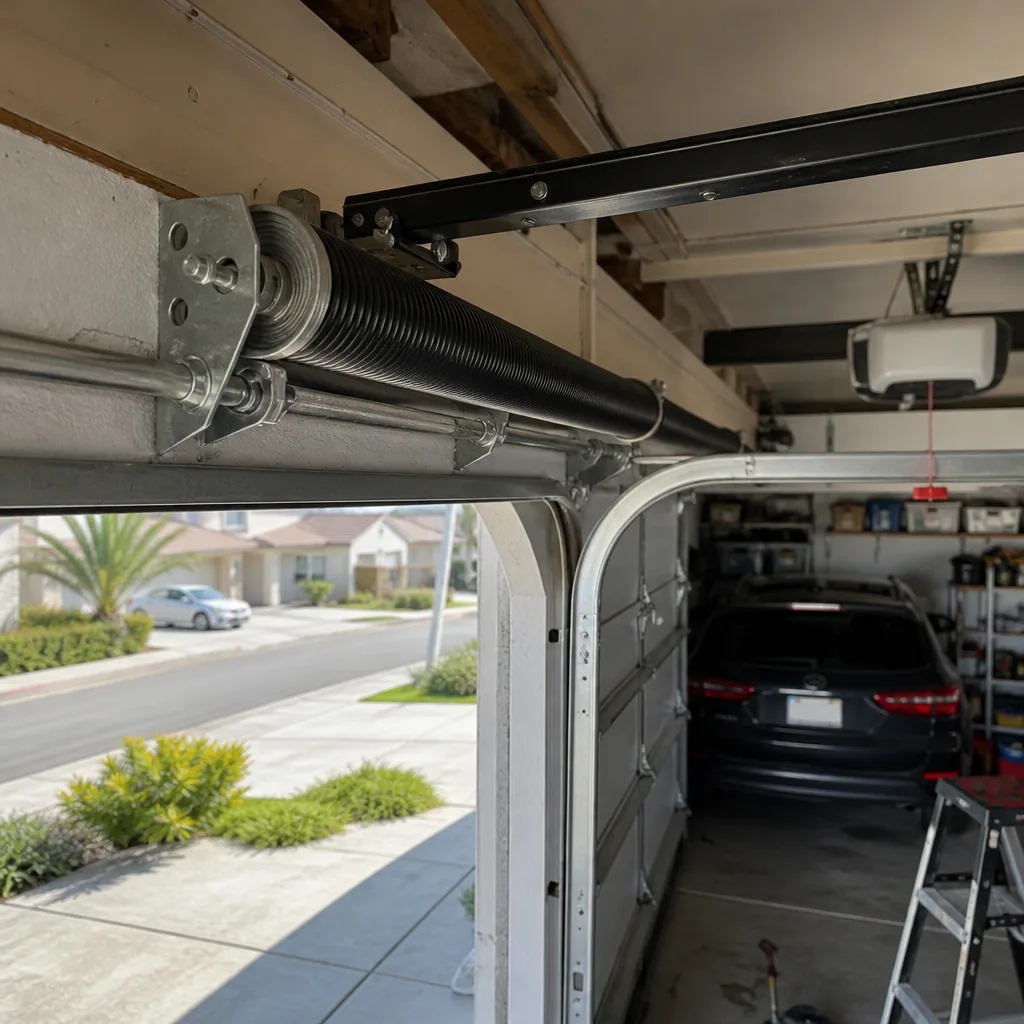 After