
Last updated November 3, 2026
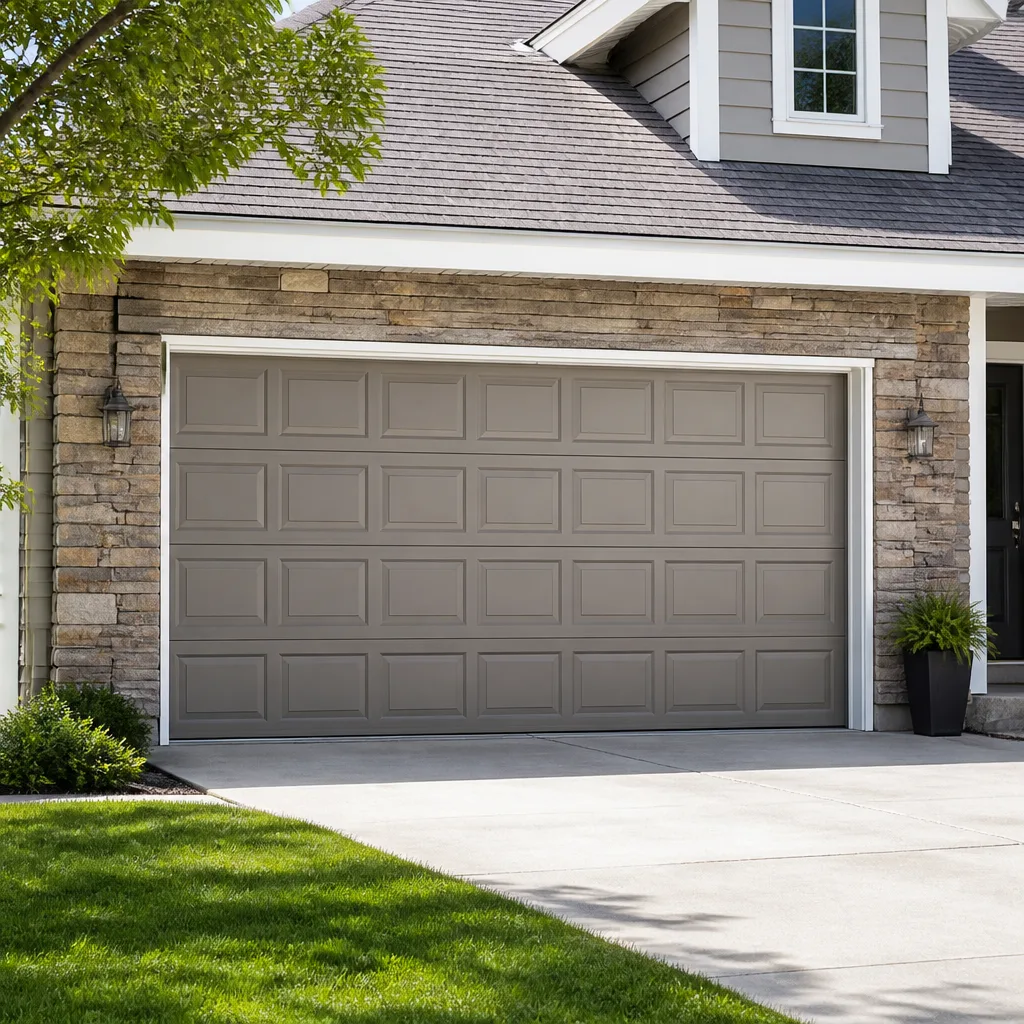 Raised-panel steel
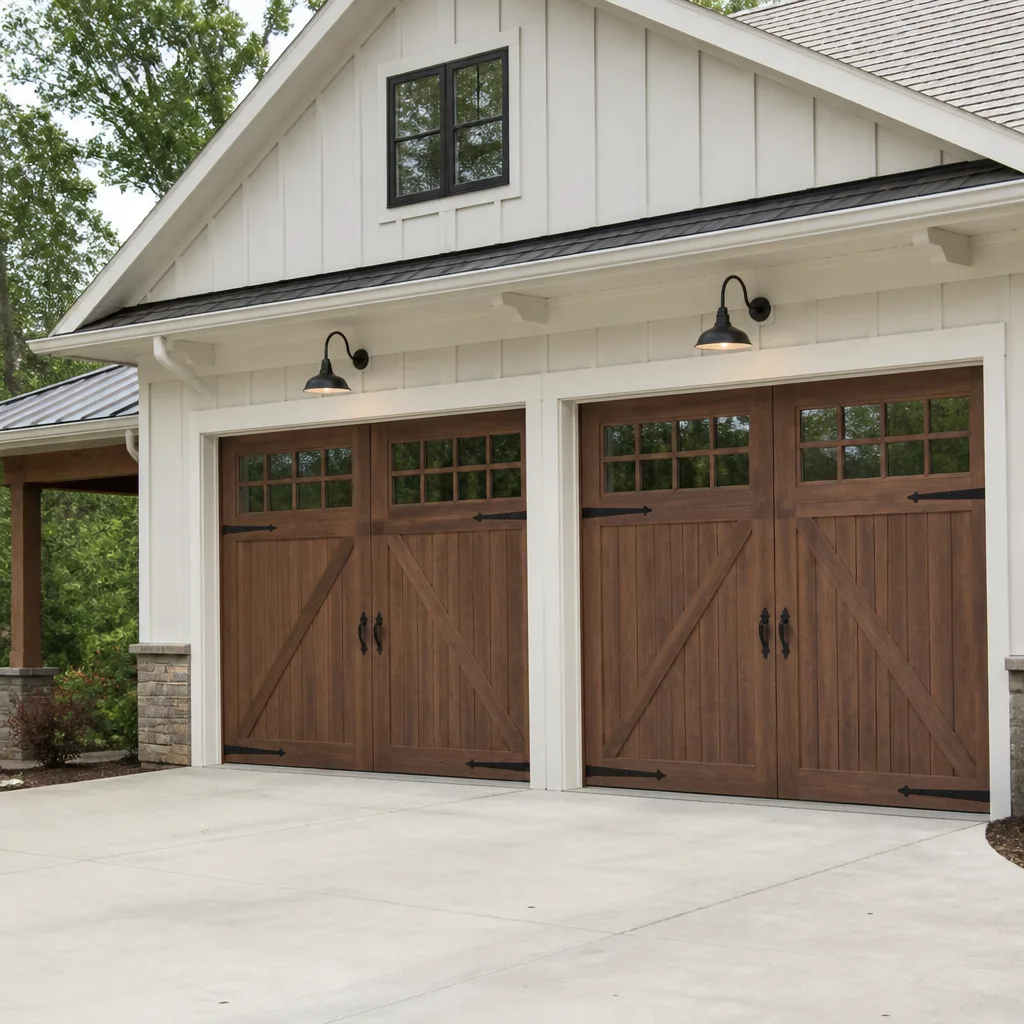 Carriage house
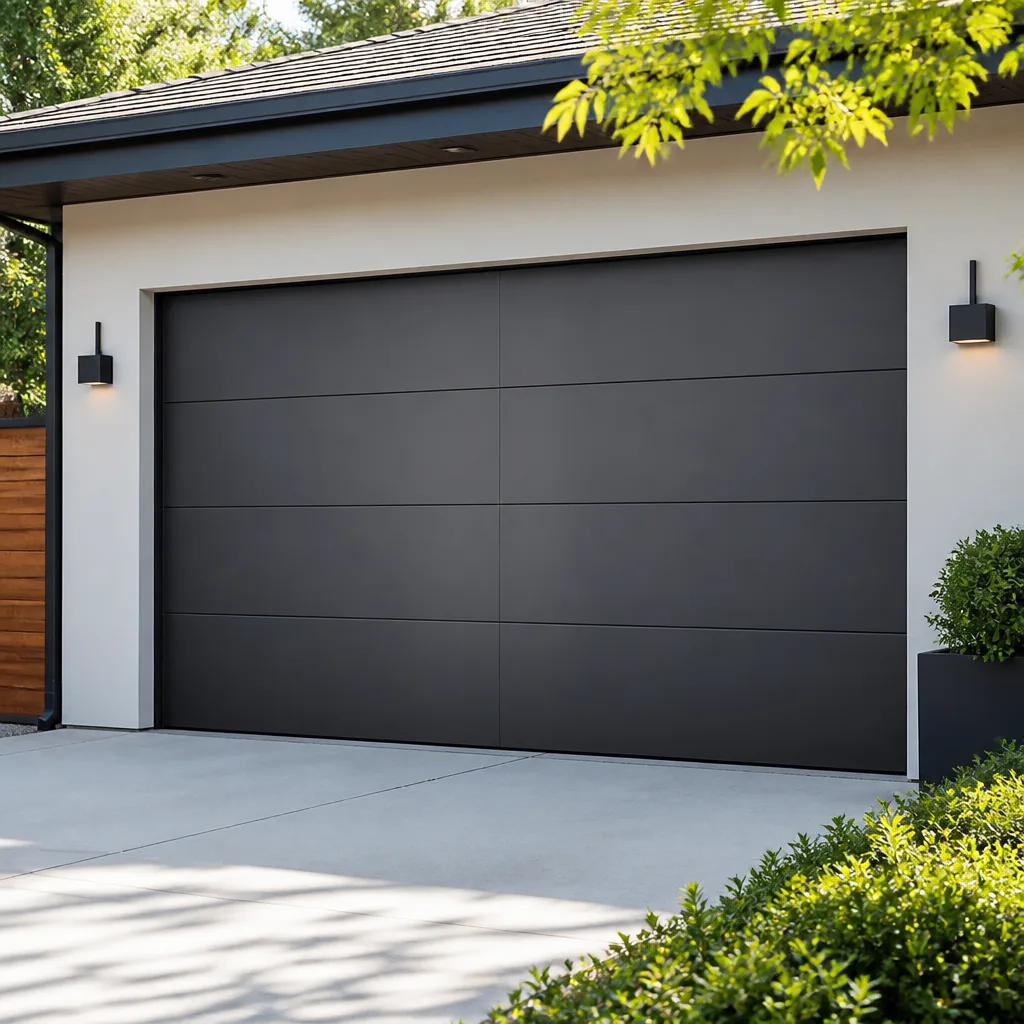 Modern flush
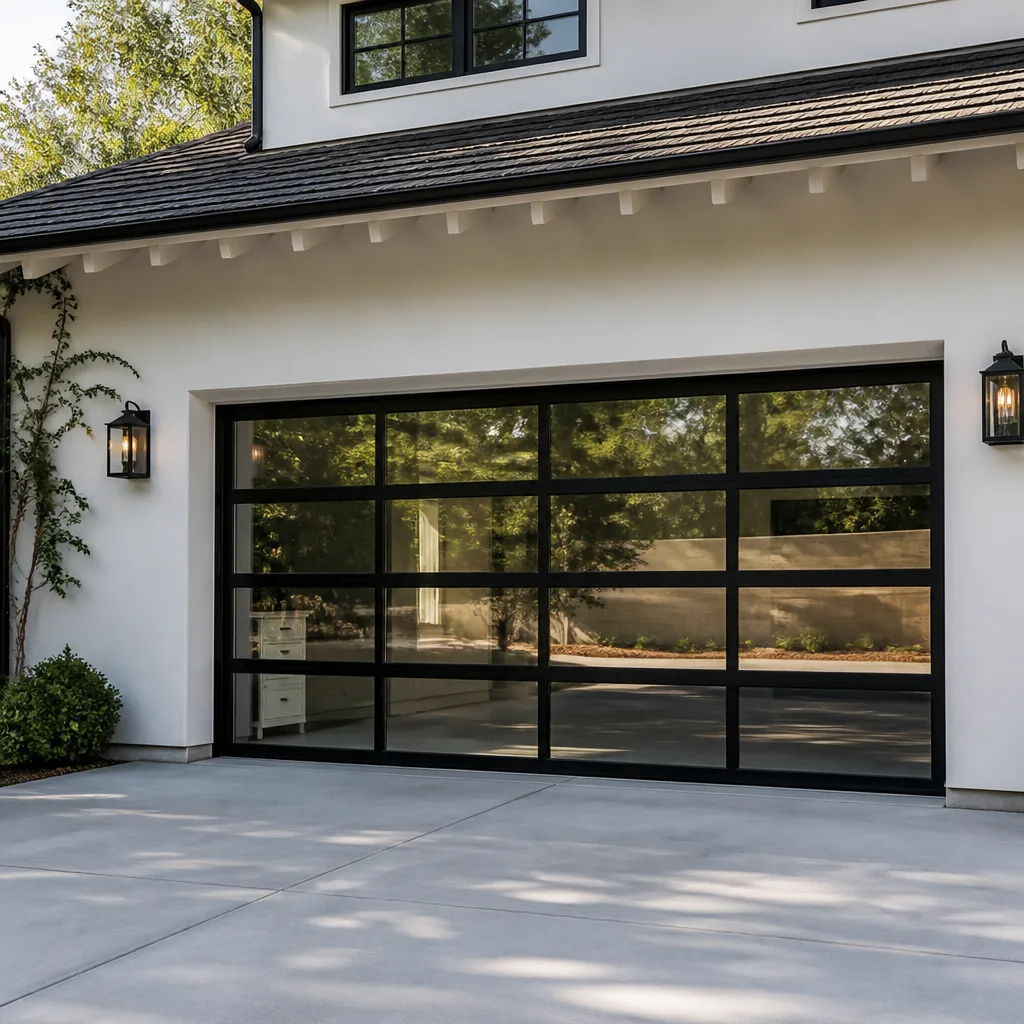 Full-view glass
 LiftMaster openers
 Chamberlain openers
Full 25-point door and opener safety check with every visit - springs, cables, rollers, tracks, and your LiftMaster or Chamberlain opener included
You get a price before we start. It does not change when the truck arrives.
Get your free estimateSeasonal Garage Door Care for Oxnard: Year-Round Homeowner’s Guide
Most seasonal garage door guides read like they were written for Minneapolis. They tell you to watch for ice damming, frozen tracks, and snowpack against the door. But you don’t live in Minneapolis. You live in Oxnard, where the door faces salt air from the Pacific, high-velocity Santa Ana winds that drop humidity to single digits, marine-layer mornings that leave metal sweating, and a fire season that shifts your priorities from convenience to evacuation readiness. This guide maps maintenance directly to those four real Oxnard conditions, so you know exactly what to check, when to check it, and why skipping one season’s task compounds problems in the next. For a broader overview, see our The Complete Garage Door Repair Guide for Oxnard Homeowners.
Styles & brands we work with
- Raised-panel steel
- Carriage house
- Modern flush
- Full-view glass
- LiftMaster openers
- Chamberlain openers
Quick Answer
Seasonal garage door care in Oxnard means four distinct checkpoints: pre-rain sealing and drainage inspection (October – November), Santa Ana wind season balance and seal checks (December – February, with secondary wind events in spring and fall), marine-layer rust prevention on hardware and springs (May – August), and fire-season manual-release testing plus fire-rated hardware inspection (year-round, with emphasis before and during dry months). A 15-minute visual inspection every season catches most failures before they strand you outside the door.
Table of Contents
- Why Oxnard’s Climate Demands a Different Maintenance Calendar
- Pre-Rainy Season Prep (October – November): Sealing, Stripping, Drainage
- Santa Ana Wind Season: Balance, Seals, and Opener Strain
- Marine Layer Summer (May – August): Rust Prevention and Condensation Control
- Dry Season and Fire Preparedness: Manual Operation and Fire-Rated Hardware
- The One Task for Every Season, Every Time
- Brand-Specific Care Notes: Clopay, Amarr, AND Wayne Dalton Doors in Oxnard
- Common Mistakes to Avoid
- When to Call a Professional
- Frequently Asked Questions
- The Bottom Line
Why Oxnard’s Climate Demands a Different Maintenance Calendar
Oxnard’s climate is often described as “mild,” and that’s true if you’re comparing winter lows to Buffalo. But mild doesn’t mean low-maintenance. The city sits in a coastal Mediterranean zone that produces four distinct stress periods on any mechanical system exposed to the air: a rainy season that saturates low-quality weather stripping, a wind season that can push a door out of plumb, a humid summer microclimate that accelerates corrosion on uncoated metal, and an extended dry window that raises fire-evacuation stakes. The mistake most homeowners make is treating garage door maintenance as either a one-time annual event or a reaction to failure. In Oxnard, the calendar matters.
We’ve worked on doors throughout the 93030, the 93033, and the neighborhoods around the Channel Islands Harbor, and the patterns are consistent. Doors near the water show different wear than doors in the inland Oxnard Plain. Salt air accelerates corrosion on springs and roller hardware. Dry-season dust mixes with garage humidity to create a paste that gums up opener rails. Homeowners who follow a generic maintenance checklist end up fixing problems late. Homeowners who follow an Oxnard-specific calendar catch them early.
That’s what this guide is: a season-by-season map for the specific conditions your door actually faces. It’s built around what we see on service calls, not what a national blog template assumes. For deeper repair guidance, see The Complete Garage Door Repair Guide for Oxnard Homeowners.
Pre-Rainy Season Prep (October – November): Sealing, Stripping, Drainage
The first real rain of the season in Oxnard usually arrives in late October or November, and when it does three to four inches can fall in a single event. If your door’s bottom seal is cracked, torn, or compressed from summer dry heat, that first storm turns the garage into a runoff basin. Here’s what to address before the water arrives.
Check the Bottom Seal
- The bottom seal (astragal) is the most common leak point. Feel along the underside of the door. If the rubber is brittle, dented permanently, or no longer makes full contact with the concrete, it’s done.
- Oxnard’s summer dry heat, not winter cold, is what typically destroys these seals. Rubber bakes, contracts, and loses its spring.
- Replacements are brand-specific. A Clopay door uses a different seal profile than an Amarr or Wayne Dalton door. Installing a generic seal off a retail shelf often leaves the same gap you had before.
Inspect the Weather Stripping on the Sides and Top
- Open the door halfway and look at the vertical tracks. The exterior weather stripping should sit flush against the door edge.
- Run your hand along the inside of the door frame while the door is closed. Light visible through any gap means water can get through that gap.
- Wind-driven rain here comes off the ocean horizontally, not straight down. A gap at the top of the frame will let water in even if the seal looks fine from ground level.
Inspect Drainage Around the Door Slab
Concrete slabs in Oxnard homes settle over time. If the apron outside your garage door has sunk even half an inch, it pools water. That pooled water then works its way under the seal, into the garage, and against the bottom panel. Check this after a rain while the ground is wet: any standing water within three inches of the door line is a problem to address before the next storm. Some doors in the Oxnard flatlands near the agricultural fields face compounding drainage issues because the surrounding soil holds water after heavy rains.
Lubricate Moving Parts Before Moisture Arrives
Rain raises ambient humidity, and humidity attracts dust. When you have both, roller hinges start grinding. Lubricate hinges, rollers, and the torsion spring with a silicone-based garage door lubricant (not WD-40). Do this once in October, and you’ll reduce wear through the entire wet season. We work on Craftsman, Clopay, Amarr, and Wayne Dalton doors alike, and the same principle applies: a dry hinge in October becomes a squealing hinge in November.
Santa Ana Wind Season: Balance, Seals, and Opener Strain
Santa Ana winds in Oxnard can gust to 40 – 60 mph as they funnel down the canyons and across the Oxnard Plain. We don’t get the fire-fueling 70 – 90 mph gusts the inland valleys see, but 40 mph is still enough to press against a 16-foot door with several hundred pounds of lateral force. That force finds every weakness in balance and alignment.
What High-Velocity Wind Does to a Garage Door
- Wind pushes the door against the tracks. If the door was slightly out of balance or one track has drifted, the pressure makes it bind at the edges. You’ll hear scraping or feel resistance.
- Wind stresses the springs asymmetrically. Torsion springs carry the entire weight of the door. Uneven wind pressure adds lateral load they weren’t designed for. Over time, this shortens spring life.
- Wind compresses and shifts weather stripping. Strips that were fine in summer can pull away from the frame under repeated gusts, especially along the top panel.
- Wind pushes debris into the tracks. Palm fronds, leaves, paper, and blown sand ride the wind into the track channels. A single piece of debris in the track can trip the safety sensors.
Santa Ana Wind Maintenance Checklist
- Test balance. Pull the manual release cord (doors open) and lift the door to waist height. A balanced door stays there. If it drifts down or springs up, the springs need professional attention. This matters more during wind season because an unbalanced door under wind pressure is harder to lift manually in an emergency.
- Inspect tracks for debris after every Santa Ana event. Run a flashlight down both vertical tracks and the horizontal rails. Clear anything you find. Do not use a pressure washer: a blower or a broom is enough.
- Check seal compression on the top panel. The top of the door panels face the largest wind surface area. If you can see daylight or feel air movement through any top gap, the seal needs replacement or repositioning.
- Test the opener’s force settings. Every modern opener has force limits to stop the door if it hits an obstruction. Wind resistance can make the opener work harder than normal. If you notice the opener reversing or slowing mid-cycle during wind events, it’s often wind-related but worth confirming there’s no track obstruction.
If you hear grinding, binding, or the door shakes visibly during wind gusts, the door needs a balance check before the next wind event. A door that fights the wind today will fail the springs sooner, and spring failure is dangerous and sudden.
Marine Layer Summer (May – August): Rust Prevention and Condensation Control
Oxnard’s summer weather pattern is predictable: gray mornings, low marine layer, drizzle that doesn’t bounce but hangs, and persistent humidity in the 70 – 90% range until late morning. For a garage door, that’s a rust incubator. The mechanism lives in an unheated, unventilated space that stays damp for hours after sunrise.
Where Rust Starts First
- Rollers. Steel rollers without sealed bearings start developing surface rust on the wheel edge. That rust then grinds against the track, creating rough spots.
- Hinges. The side hinges between panels are stamped steel and sit right where moist air circulates. Surface rust here weakens the hinge over time.
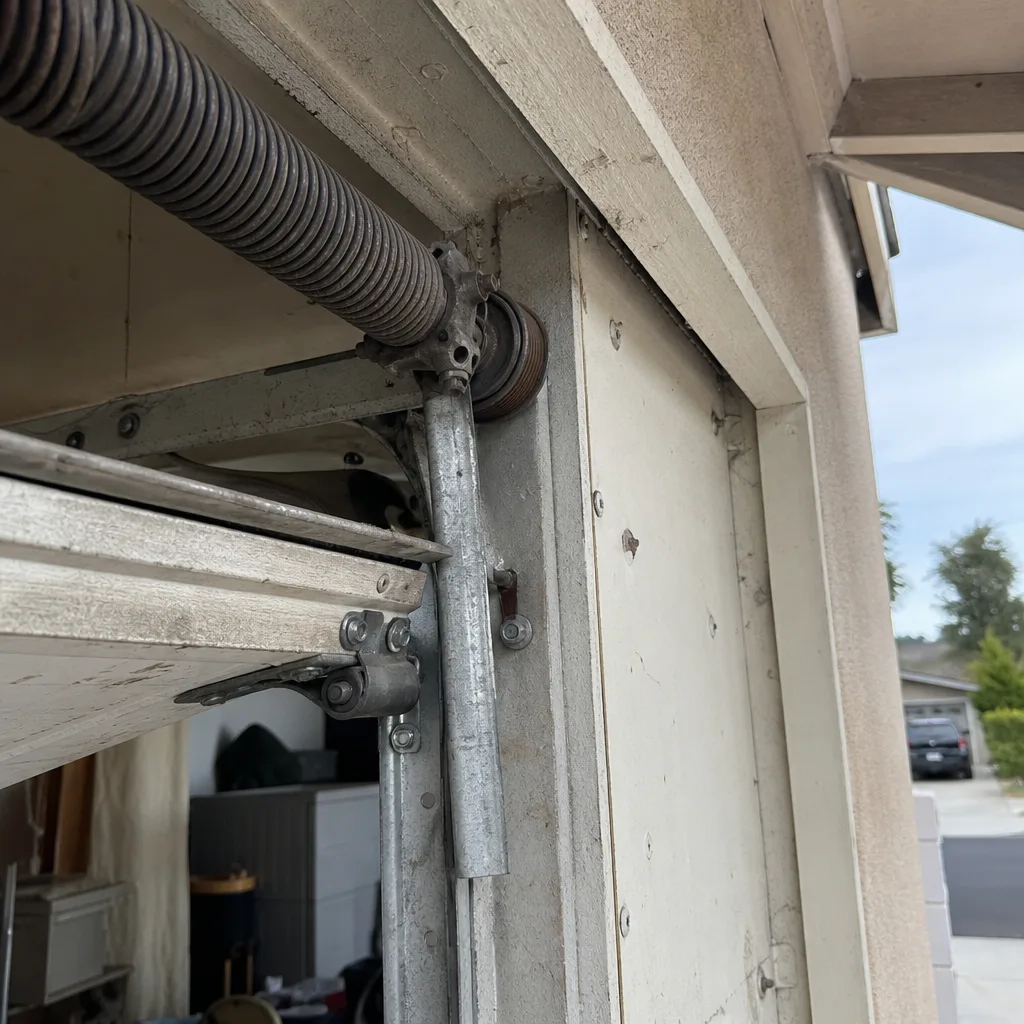
- Springs. Torsion springs are typically coated but not fully stainless. In a coastal garage, micro-pitting begins within a few years. Uncoated springs corrosion more quickly.
- Opener rail. The rail carries the trolley. If garage humidity is high enough, condensation collects on the metal and mixes with dust into a fine grit.
Oxnard Marine-Layer Maintenance Routine
- Wipe down exposed metal once a month in summer. A quick wipe with a clean, dry rag removes salt-laden condensation that sits on rollers and hinges. No chemical needed.
- Inspect for early rust and treat it. A light wire brushing and a corrosion inhibitor spray keeps surface rust from turning structural. Pay attention to the bottom panel’s interior side, where runoff from the door face collects.
- Keep the garage ventilated. If you don’t park a car daily, consider leaving a small vent or side door cracked during marine-layer mornings. Reducing trapped humidity cuts condensation on all metal surfaces.
- Watch for rust-colored drip lines. If you see rust streaks running from the roller brackets or hinges, that’s active corrosion hitting moving parts. Address it before the roller seizes.
Doors near the Oxnard Shores and Channel Islands Harbor areas face a double load: higher ambient humidity plus salt aerosol. If you’re within a mile of the coast, add one extra monthly wipe-down in the summer months. A Clopay steel door in Silver Strand faces different corrosion pressure than the same door in the Oxnard flatlands.
Dry Season and Fire Preparedness: Manual Operation and Fire-Rated Hardware
This is the maintenance item most Oxnard homeowners skip, and it’s the one that matters most. Fire season here runs essentially May through November now, with Santa Ana events peaking in fall. If a wildfire evacuation order comes, your garage door is often the primary household exit. The car starts, the door goes up. But if the opener has failed or the door is jammed, that exit doesn’t exist.
Manual Release: The Most Important Test
The manual release cord (the red handle hanging from the trolley) disconnects the door from the opener so it can be lifted by hand. Most homeowners never pull it. That’s a mistake. Here’s the sequence to test, and we recommend doing this quarterly:
- Close the door completely. Pull the manual release cord down and toward the door. You’ll hear a click as the trolley disengages.
- Lift the door by hand. It should lift smoothly, with moderate effort, and stay open on its own about halfway or higher. If it’s extremely heavy or won’t stay up, your springs are failing. A door that can’t be opened manually is a safety risk in an evacuation.
- Re-engage the opener. Pull the cord again or press the opener button to re-latch the trolley. The door should reconnect and operate normally.
If the door slams down when you test it manually, or if it takes both hands and serious body weight to lift, call a professional before the next dry-season wind event. This isn’t convenience, it’s an egress issue.
Fire-Rated Hardware and Door Integrity
In Oxnard, homes built under newer California building codes have garage doors with fire-rated construction requirements. The door should self-close and self-latch if it’s a fire-rated model. Check that:
- The door closes fully on its own from a half-open position without manual push.
- The latch engages when the door closes and the panel doesn’t sit loose.
- No warping or panel separation is visible from inside the garage.
If your door is older and doesn’t have fire-rated construction, the best upgrade before peak fire season is a new door that meets current Oxnard code. That conversation starts with a measurement and a written quote, not an emergency replacement during an actual evacuation warning.
The One Task for Every Season, Every Time
If you do nothing else on this guide, do this one thing four times a year. It takes five minutes, and skipping it compounds every other problem. The task: walk the full track and door edge by hand, visually, while the door moves through one full open-and-close cycle.
Here’s why it matters. Every other task in this guide is season-specific, but this one catches whatever the current season is doing to your door. During rain season, you catch seal gaps. During Santa Anas, you catch track debris and binding. During marine-layer season, you catch rust starting. During fire season, you catch opener hesitation and manual operation problems. Same walk, different findings, all year.
How to do it in five minutes:
- Open the door fully and listen. Note any scraping, grinding, or hesitation.
- Walk the vertical tracks on both sides. Look for debris, rust, or scoring marks.
- Check the bottom seal while the door is open. It should be intact and flexible.
- Close the door and watch the panel edges. They should compress evenly into the frame.
- Pull the manual release and lift the door halfway. It should hold position.
Homeowners who do this quarterly catch problems when they’re still small. Homeowners who don’t catch them when the door stops opening at 7:20 on a workday. We see the difference on every service call: the garage door that failed had been telling its owner something for six months.
Brand-Specific Care Notes: Clopay, Amarr, and Wayne Dalton Doors in Oxnard
Not all doors wear the same way in this climate, and the difference comes down to the materials and construction of each brand’s panels, hardware, and finish. For help selecting, read Choosing the Right Garage Door Brand: A Buyer’s Guide for Oxnard.
Clopay doors are widely installed in Oxnard, particularly steel entry-level and mid-range models. The finish holds up well against marine moisture if the panels are washed once or twice a year. The most common issue we see with Clopay doors near the coast is rust forming on the interior side of the bottom panel, where condensation and salt residue collect unnoticed. Their bottom seals are replaceable but brand-profiled: a generic seal doesn’t seat correctly in the Clopay retainer.
Amarr doors tend to be common in newer Oxnard construction. Their hinge hardware is generally heavier than entry-level competitors, but that also means more surface area for corrosion if marine-layer moisture is left unchecked. Amarr’s panel construction is the weak point in high Santa Ana exposure: wind-driven dirt can work into the seams of some models and compromise paint adhesion along the panel edges.
Wayne Dalton doors have a specific design quirk worth knowing: their TorqueMaster spring system is enclosed inside a tube rather than exposed on a torsion bar. That enclosure protects the spring from direct salt air, but it also means the spring’s condition is invisible without opening the tube. For Oxnard homeowners near the coast, we recommend having the spring inspected every two years regardless of visual condition, because you can’t see the corrosion happening.
Craftsman openers, paired with any door brand, have rails that pick up Oxnard’s dry-season dust readily. The trolley needs lubrication more often here than in other climates, simply because the rail collects more airborne particulate. The door side matters, but the opener side is a separate mechanical system with its own maintenance timeline.
When a door does need replacement, the decision should account for these local realities, not just panel color and R-value. A door that works perfectly in Camarillo may not be the right door for a home three blocks from the Oxnard coastline. We work across Clopay, Amarr, Wayne Dalton, and Craftsman systems, which means a garage door installation in Oxnard can match your specific environment and hardware rather than defaulting to one brand.
Common Mistakes to Avoid
- Using WD-40 on garage door rollers and hinges. WD-40 is a solvent, not a lubricant. It cleans briefly and then evaporates. Use a silicone-based garage door lubricant on moving metal parts.
- Skipping the manual release test because the opener works. The opener working today doesn’t mean the door can be lifted manually today. If the springs fail, the opener may still pull the door, masking a dangerous situation. Test the manual release quarterly.
- Ignoring wind-related noises during Santa Ana season. Squealing or grinding that appears only during wind events still indicates a problem. The wind is revealing a balance or alignment issue that’s there the rest of the year, just quieter.
- Installing a generic bottom seal. A Clopay, Amarr, and Wayne Dalton door each need different seal profiles. The wrong profile leaves a gap, and the leak returns with the first rain.
- Waiting until the rainy season to fix drainage. By the time standing water appears on the apron, the first storm has already delivered its load. Address slab drainage in October, not December.
- Hosing down the door to clean it. Pressure washing forces water into the track channels, behind the weather stripping, and into the panel seams. Use a bucket, a sponge, and mild soap. For moving parts, a damp rag is enough.
- Assuming a new house means no maintenance. New construction in Oxnard still settles, and new door hardware still accumulates marine-layer condensation. The first year is when most installation-related issues surface.
When to Call a Professional
Some tasks are homeowner-level. Some are not. Call a garage door specialist when: the door won’t stay up in manual mode (spring failure), you hear a loud bang from the garage (spring failure), the door visibly shakes or binds during Santa Ana winds (balance or track issue), the opener reverses or stops randomly (force setting or sensor issue), corrosion has pitted any roller or hinge to the point of roughness (replacement needed), or you’re unsure whether to repair or replace an aging door. Garage doors are heavy and under high tension. The springs can injure you if mishandled. We work on doors across Oxnard, and our recommendation is honest: some fixes are simple, some aren’t, and the difference isn’t always visible from the outside. If you’re not certain, Garage Door Repair in Oxnard offers free estimates, and we’ll tell you straight whether it’s a repair or a replacement. Call (833) 706-7472.
Frequently Asked Questions
In Oxnard’s coastal climate, we recommend a homeowner-level visual inspection and lubrication every three months, with a professional inspection once a year. The marine layer in summer and the Santa Ana winds in fall create conditions that wear parts faster than the national average. If you’re near the coast within a mile of the water, add an extra rust check in summer.
Yes. Salt-laden marine layer moisture settles on metal surfaces and accelerates corrosion on rollers, hinges, springs, and opener rails. Doors within a mile of the water show measurably faster rust onset than doors in the inland Oxnard Plain.
No. Torsion springs are under extreme tension and a sudden release can cause serious injury. Even many experienced homeowners misjudge how much stored energy a garage door spring holds. A garage door opener repair or spring replacement should be handled by a trained professional. Call (833) 706-7472 for an exact quote, estimates are free.
Listen for new grinding or buzzing, watch for hesitation mid-cycle, and notice whether the door reverses unexpectedly. These indicate motor, gear, or logic board issues. If the opener is over 10 years old and failing, replacement usually costs less than repeated repairs. We diagnose both, and we’ll tell you which one makes sense for your specific system before any work starts.
The manual release test. Pull the red cord quarterly, lift the door halfway, and confirm it stays. This one test catches spring fatigue, balance issues, and evacuation-readiness problems, and it costs nothing.
Newer Oxnard construction falls under California’s garage door fire-safety codes, which require self-closing and self-latching fire-rated doors in many residential applications. If your door is original from an older build, it may not meet current code. A garage door opener repair in Oxnard can address the opener side, but a door replacement starts with a free measurement and written quote.
The Bottom Line
Oxnard doesn’t have four traditional seasons, but it has four distinct stress periods and each one attacks a different part of your garage door. The rainy season exposes seal and drainage failures. The Santa Anas expose balance and track weaknesses. The marine layer accelerates corrosion. Fire season turns maintenance into an evacuation-readiness issue. The homeowner who does one five-minute quarterly walk catches all of it. The homeowner who waits for the door to fail ends up with an emergency call and a bigger invoice. We work on Clopay, Amarr, Wayne Dalton, and Craftsman systems throughout the city, and we’d rather keep your door running than replace it. Start with a free estimate if you find anything questionable: call (833) 706-7472. And if you want to understand the Garage Door Repair Oxnard home service area or the full Garage Door Repair in Oxnard scope, we’re happy to walk you through it.
Written by the team at Garage Door Repair Oxnard, serving Oxnard since 2016. Browse more guides & resources.
See the difference
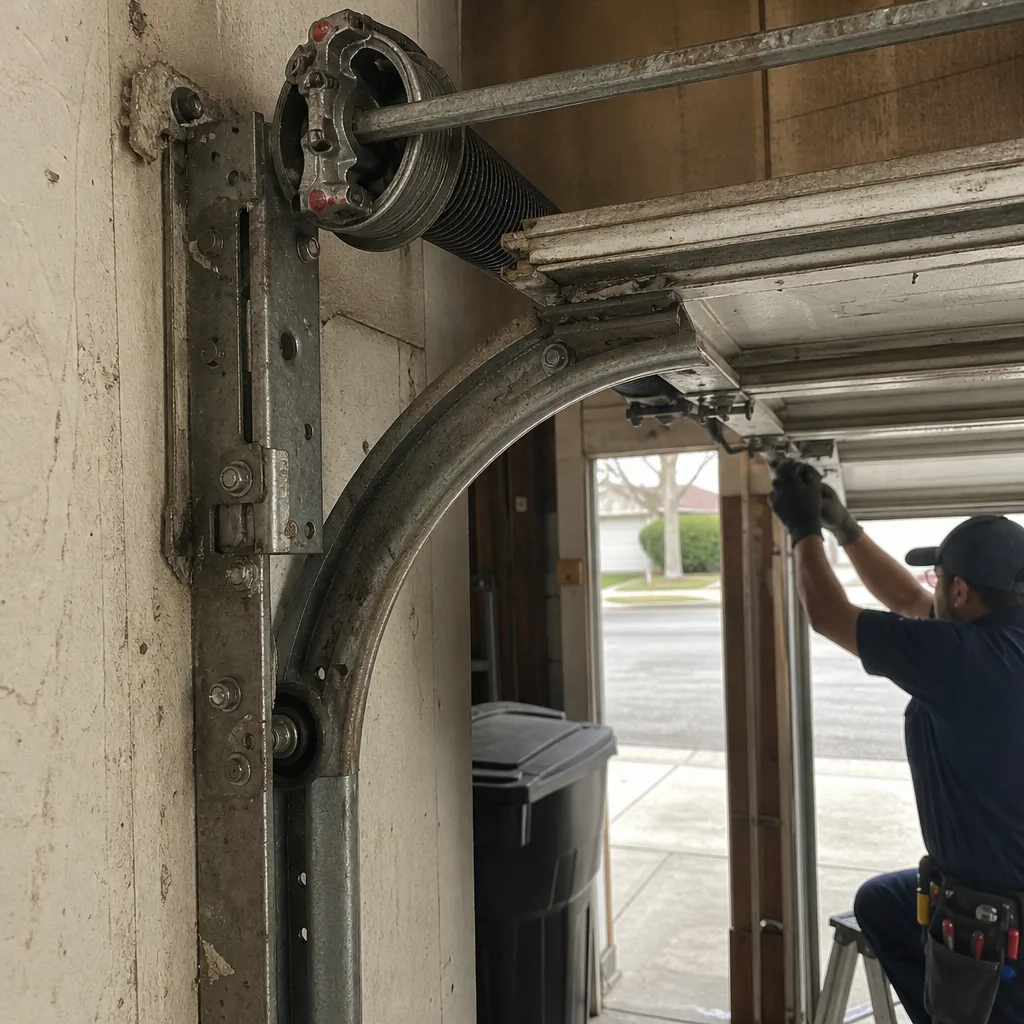 Before
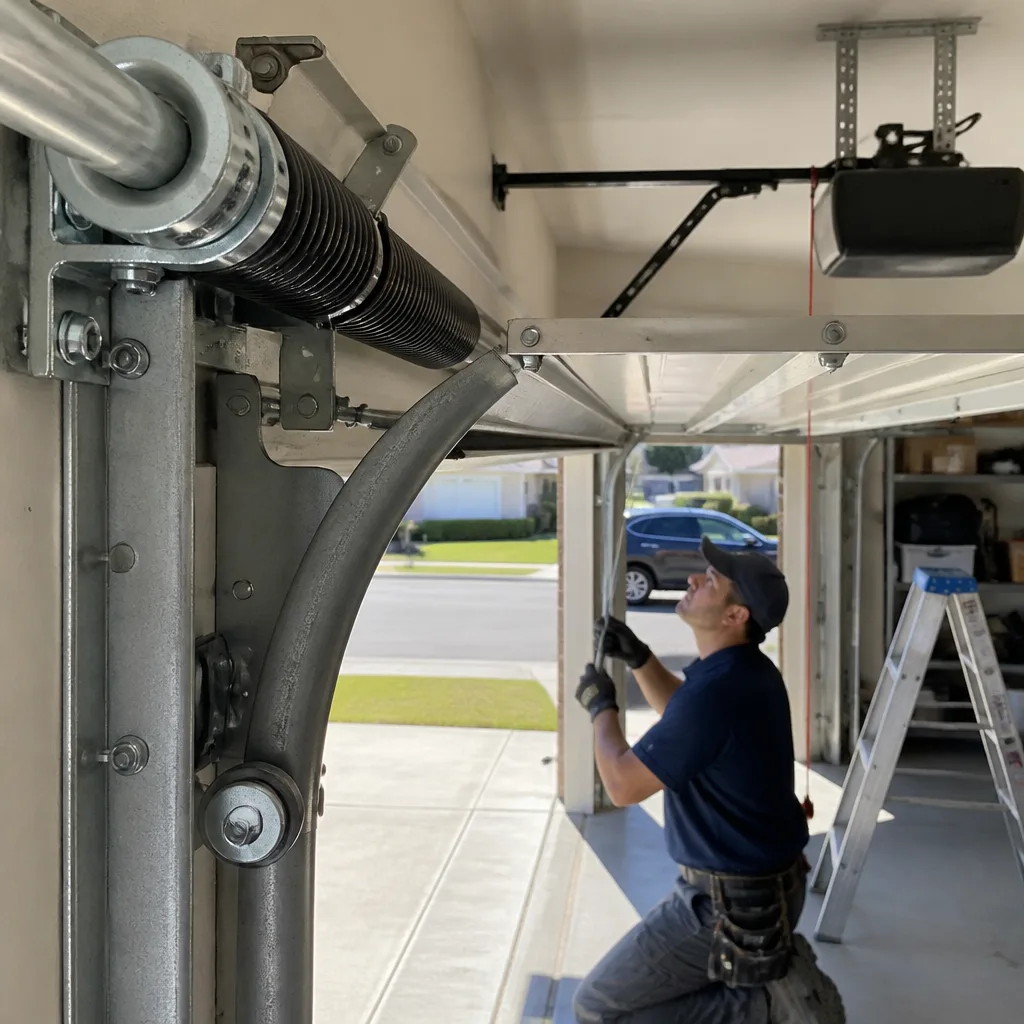 After
 Before
 After
 Before
 After