
Last updated November 2, 2026
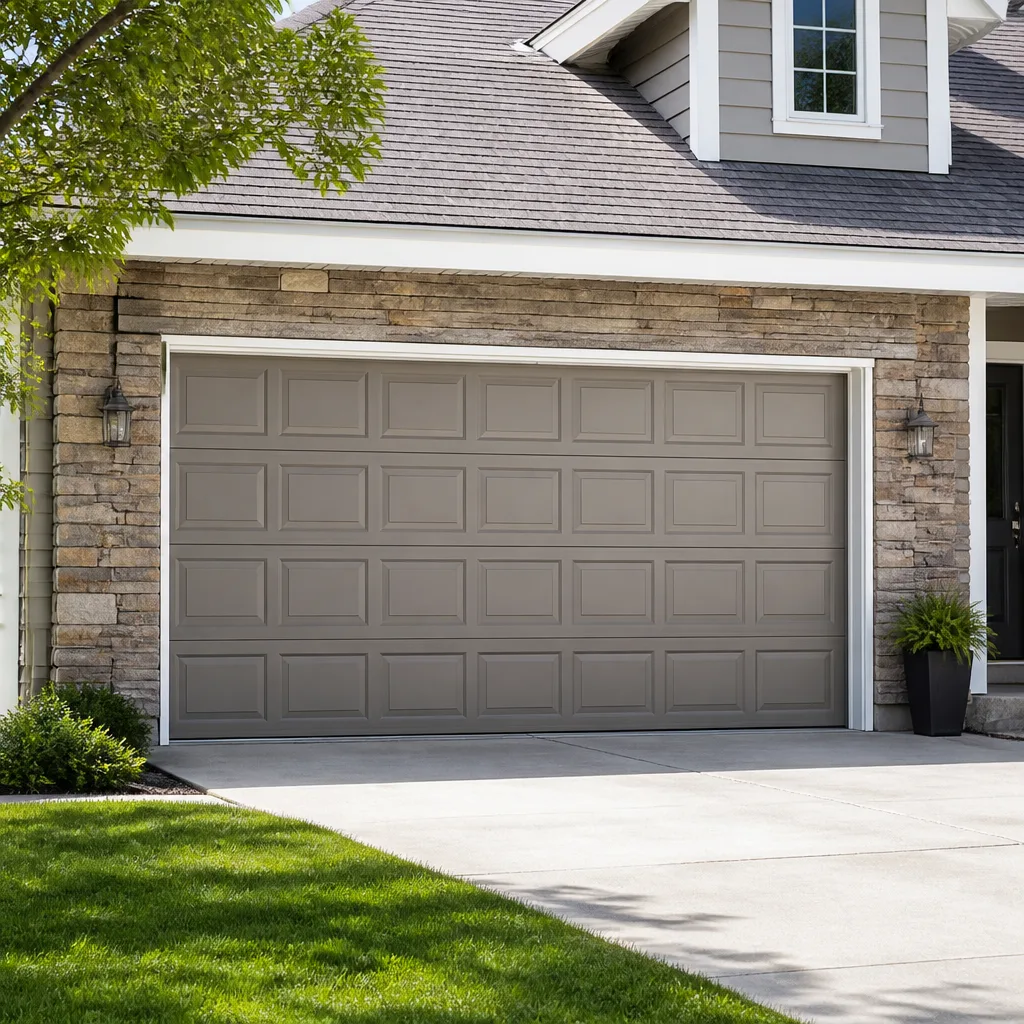 Raised-panel steel
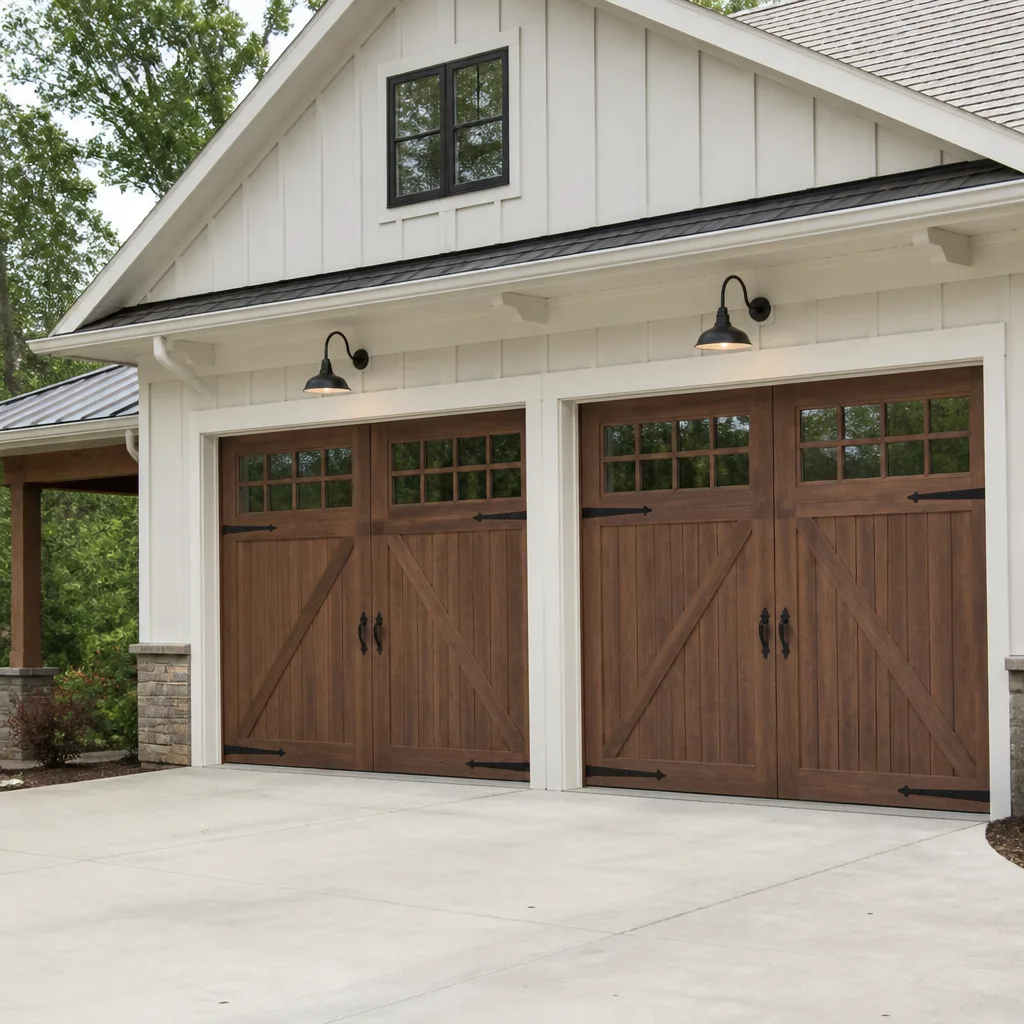 Carriage house
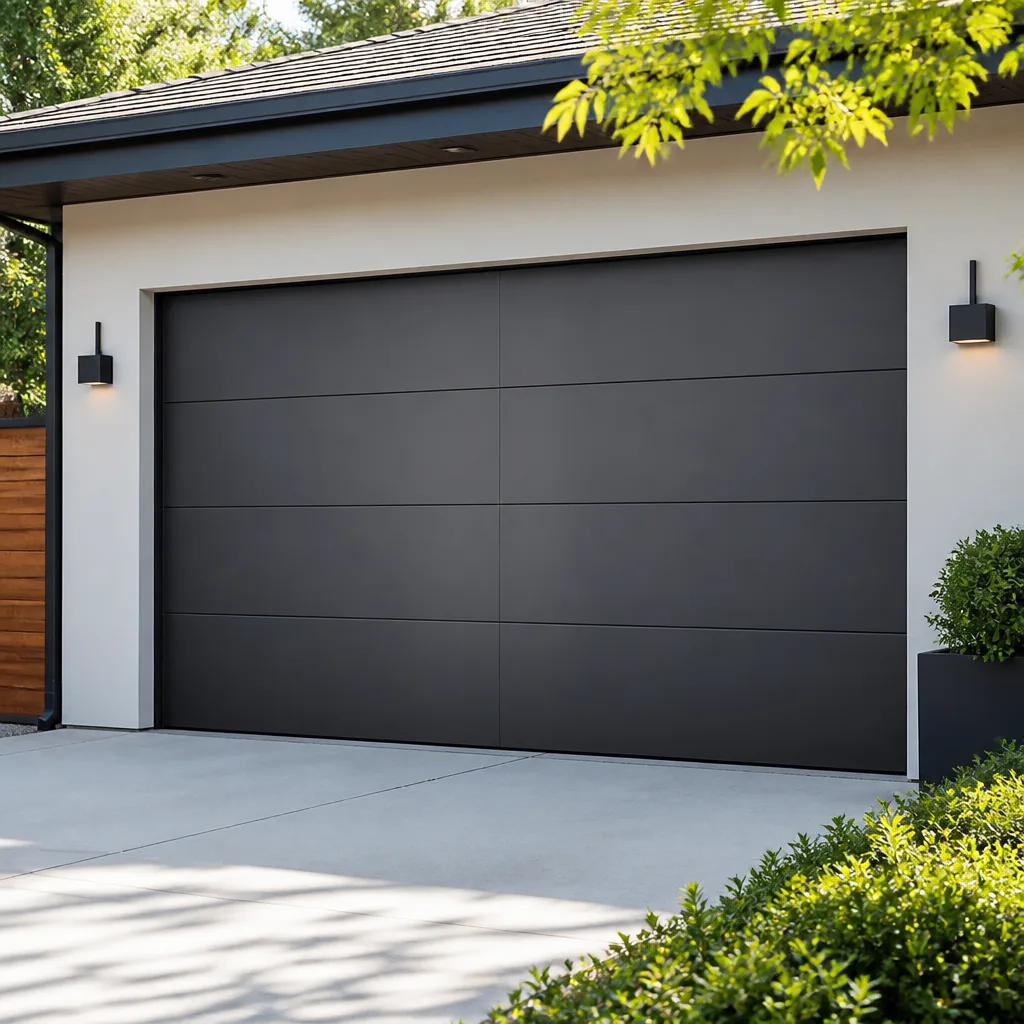 Modern flush
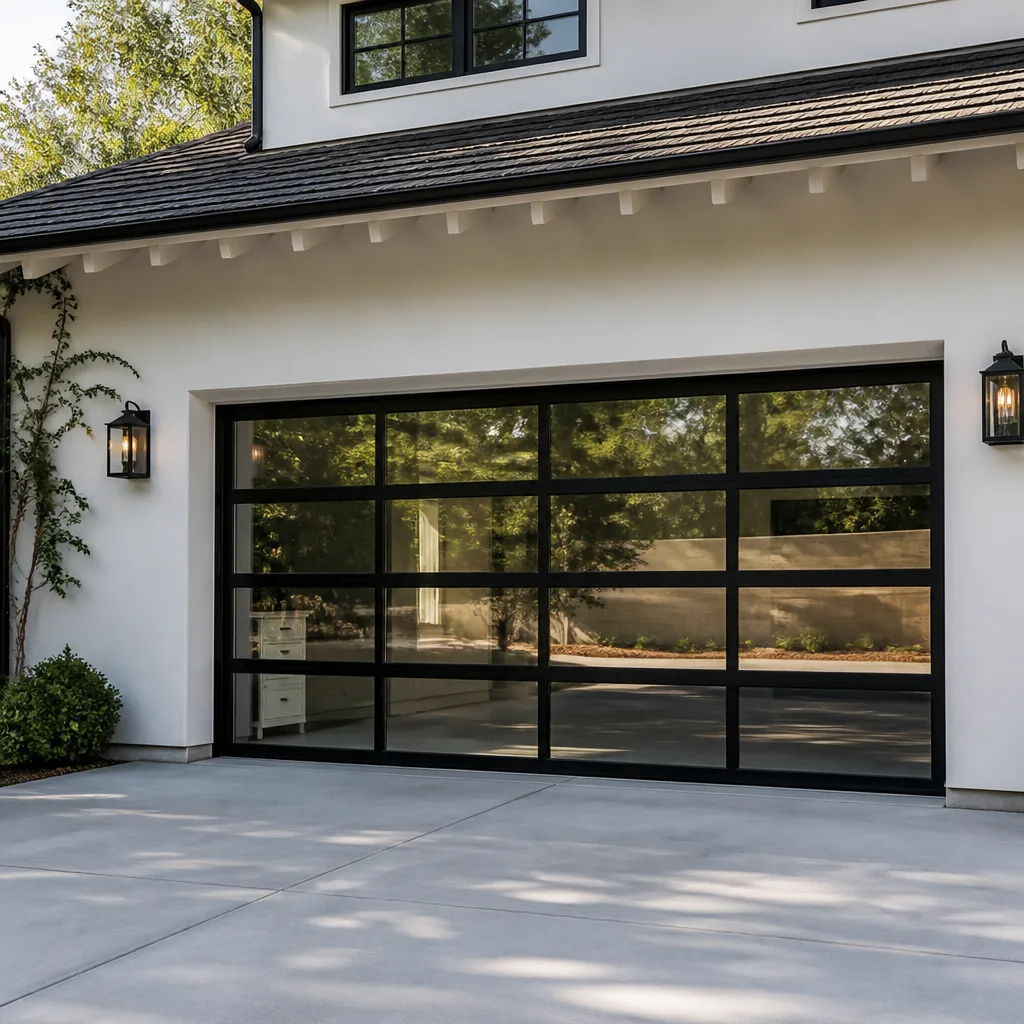 Full-view glass
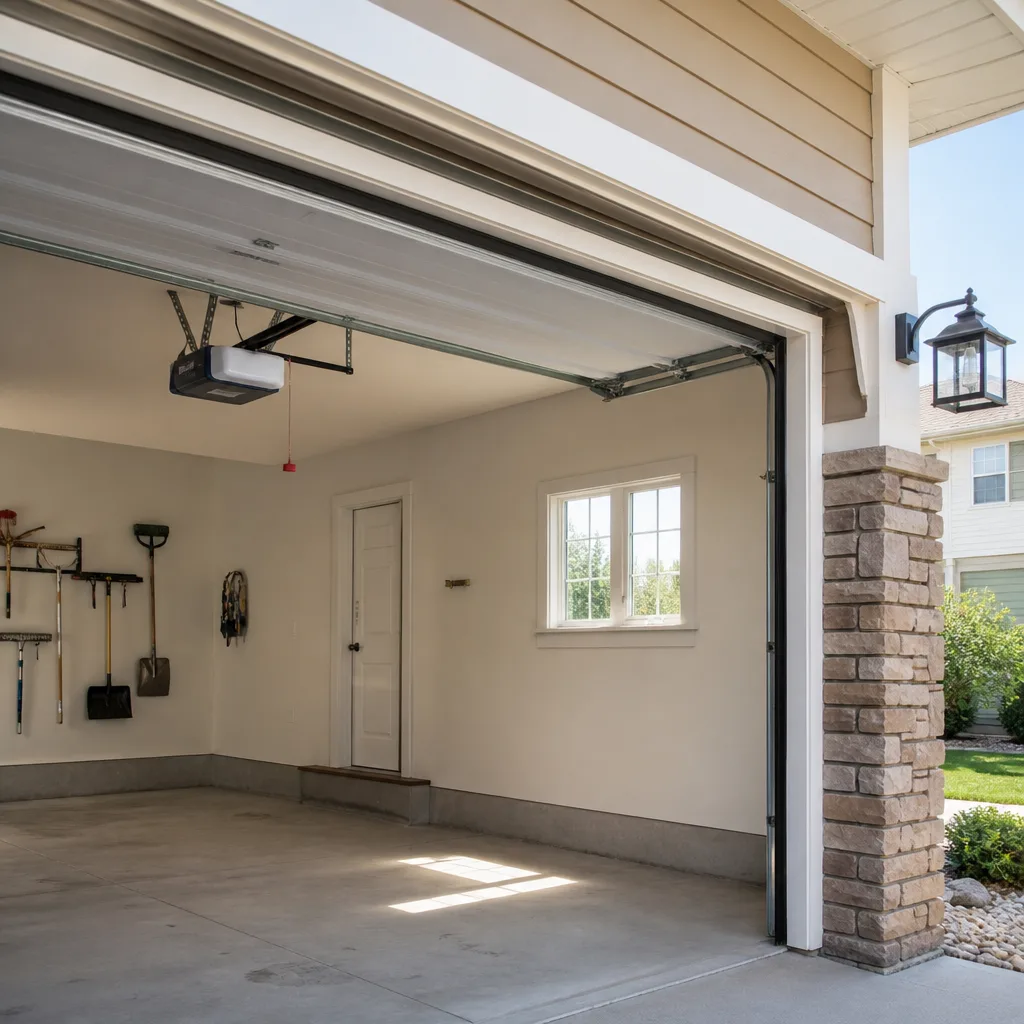 LiftMaster openers
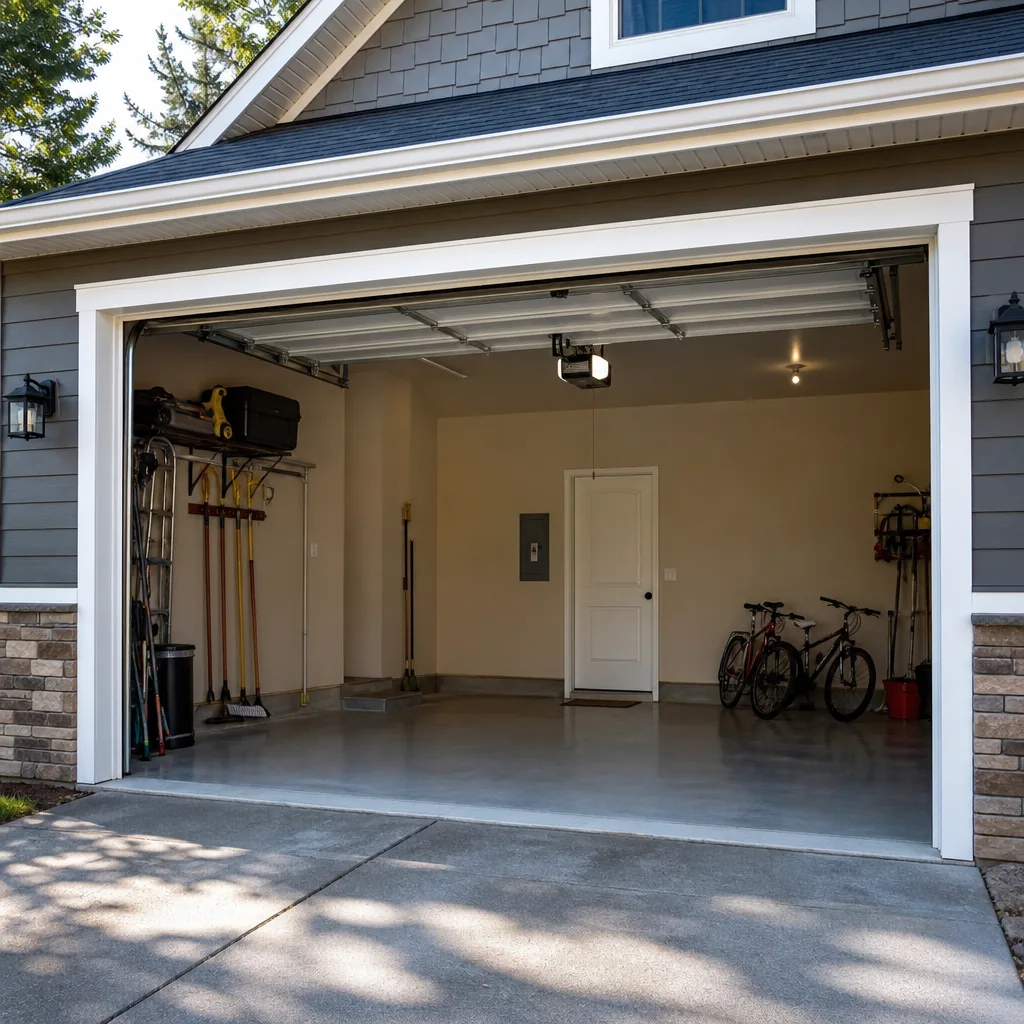 Chamberlain openers
Full 25-point door and opener safety check with every visit - springs, cables, rollers, tracks, and your LiftMaster or Chamberlain opener included
You get a price before we start. It does not change when the truck arrives.
Get your free estimateGarage Door Emergency Preparedness Guide for Oxnard Homes
Ventura County has issued mandatory evacuation orders four times in the last decade. When that order comes at 3 a.m. and your garage door won’t open, you don’t have a repair problem. You have a transportation problem, possibly a life-safety problem. Most homeowners in Oxnard have never once pulled the red emergency release cord on their opener, let alone tested whether the door actually lifts manually when the power’s out. This guide covers what actually fails during Oxnard’s specific emergencies, what you can fix in the first 30 minutes, and what genuinely needs a specialist. You’ll learn how to prepare before the next power outage or red-flag event, how to secure a door that won’t close after a break-in attempt, and which scenarios can’t wait until morning.
Quick Answer
A garage door emergency in Oxnard usually comes down to one of three situations: the door won’t open during a power outage or evacuation, the door won’t close after a break-in attempt, or the door is stuck open and your home is exposed. The first step in every scenario is different, but the common element is knowing how your specific opener’s manual release works and whether your springs are healthy enough to actually let you lift the door by hand. If you can’t get the door open during a power failure within two minutes of trying the release cord, call (833) 706-7472 and tell the dispatcher it’s an evacuation-related emergency, not a routine repair.
Styles & brands we work with
- Raised-panel steel
- Carriage house
- Modern flush
- Full-view glass
- LiftMaster openers
- Chamberlain openers
Table of Contents
- What to Do in the First 30 Minutes When Your Door Won’t Close
- How to Operate the Manual Release Cord on Major Opener Brands
- Why Manual Release Fails When the Spring Is Broken
- Wildfire and Red-Flag Weather Protocol for Oxnard Homes
- How to Temporarily Secure a Stuck-Open Door
- Pre-Evacuation Garage Door Checklist for Ventura County
- Which Emergencies Are Same-Day Critical vs. Morning-Safe
- Common Mistakes to Avoid
- When to Call a Professional
- Frequently Asked Questions
What to Do in the First 30 Minutes When Your Door Won’t Close
If someone tried to force your garage door open in Oxnard, the immediate problem isn’t cosmetic. It’s that your home now has a 7-foot-by-16-foot opening facing the street. The repair can wait. The security cannot. Here’s the sequence that matters:
- Clear the opening. Move anything valuable out of sight from the street. Bikes, tools, generators. A garage door that’s jammed open advertises everything inside.
- Check if the door is actually off its track. Look at both vertical tracks where the rollers sit. If you see a gap between any roller and the track, do not force the door down. You’ll fold a panel.
- If the door is straight but won’t close, check the opener. Pull the manual release cord and try lowering the door by hand. If it drops too fast, stop. That means the springs aren’t counterbalancing the weight, which is a separate and more serious problem.
- Block the opening from the inside. A ladder laid across the doorway at waist height or a length of 2×4 wedged into the track channels slows down anyone trying to crawl under. It won’t stop a determined intruder, but it buys time.
- Call for repair. Tell the dispatcher this is a break-in attempt, not a routine service call. The urgency changes the dispatch priority.
We’ve seen Oxnard homeowners postpone a repair after a break-in because the door “sort of” closed. A door that shifted an inch off its alignment will eventually bind, bend a panel, or damage the opener’s carriage. The Garage Door Repair in Oxnard page explains what a full alignment check involves if you want to understand what the tech will be looking for.
How to Operate the Manual Release Cord on Major Opener Brands
The manual release is the red handle dangling from a rope near the front of your garage ceiling. Pulling it disconnects the door from the opener’s carriage, so the door can be moved by hand. The concept is the same across brands, but the reconnection differs, and that’s where people get stuck during a power outage.
- Chamberlain and LiftMaster: These two share the same mechanism. Pull the red cord down and toward the door to disengage. To reconnect, press the wall button or remote once with the door fully closed. The carriage re-engages automatically on the next cycle. If it doesn’t click in, run the opener briefly and it will seat itself.
- Genie: Pull the red cord straight down. Genie’s trolley uses a spring-loaded latch. To reconnect, pull the cord down again while the opener runs. The carriage will catch the latch on the next pass.
- Craftsman: Most Craftsman openers from the last 20 years are mechanically identical to Chamberlain and LiftMaster units. The release and reconnection procedure is the same.
The part most guides skip: the manual release only works well if your springs are doing their job. You’re still lifting the full weight of the door minus whatever the springs counterbalance. A well-sprung door should open with 10 to 20 pounds of effort. If you’re wrestling 80 or 100 pounds of panel steel, your springs are failing, and the release cord won’t save you during an evacuation.
Why Manual Release Fails When the Spring Is Broken
Torsion springs carry the weight of the door. When one snaps, the remaining spring might hold half the door, or it might leave the full weight on you. Here’s the reality: if you hear a loud snap that sounds like a gunshot from the garage and the door won’t lift, you have a broken spring, and no amount of tugging on the red cord changes that.
In Oxnard’s coastal air, springs corrode faster than inland. Salt moisture works on the steel coils, and a spring that’s been sweating through marine-layer nights for eight or nine years is a candidate for sudden failure. We regularly see springs on Oxnard homes break between year eight and year twelve of service life, depending on how close the house sits to the water. The Oxnard Shores and Channel Islands Harbor areas see faster corrosion than the newer developments east of the 101.
What to check when the release cord isn’t enough:
- Can you see a gap in the spring above the door? Torsion springs sit on a shaft above the closed door. A two-inch gap where the coil used to connect means it snapped.
- Does the door lift one or two inches and then feel impossibly heavy? That’s one spring down. The second one might be trying to hold the door by itself, and it’s not designed to.
- Does the door lift halfway and then sag or tilt? One side feels light, the other side feels like it’s bolted to the floor. Classic broken-spring signature.
Do not attempt to replace a torsion spring yourself. The tension in a wound spring is roughly equivalent to a loaded weapon. The winding bars can slip, and the injuries we hear about from DIY attempts are severe. Call Garage Door Repair in Oxnard at (833) 706-7472. Spring replacement is one of the most common emergency repairs in this city, and a technician can typically get the door operational the same day the call comes in.
Wildfire and Red-Flag Weather Protocol for Oxnard Homes
Red-flag warnings are a fact of life in Ventura County. High winds, single-digit humidity, and dry brush create the conditions where fires move faster than people can evacuate. Your garage door plays a bigger role in that scenario than most homeowners think about.
Here’s the Oxnard-specific problem: when a red-flag warning hits, power companies sometimes de-energize lines as a fire-prevention measure. That means your garage door opener has no power. If you haven’t tested the manual release in years, the first time you try it will be the night you’re packing the car to leave.
The pre-event checklist for every Oxnard home:
- Test the manual release once every six months. Pull the red cord, lift the door by hand, close it again, and reconnect the opener. If any step takes more effort than a moderate workout, get the springs checked.
- Know your battery backup situation. If your opener has a battery backup, confirm it’s charged. Most Chamberlain and Genie units with battery backup have a status light on the wall console. No battery backup? The manual release is your only option during an outage.
- Park one car facing forward in the driveway. If the garage won’t open, you can still leave in the driveway car. It won’t help if you have a two-car household and only one driveway spot, but it’s better than nothing.
- Clear the garage floor. During an evacuation, you’re moving in the dark and under stress. Boxes, tools, and holiday decorations between you and the manual release cost seconds you don’t have.
- Check the weather stripping. High winds push embers into gaps. Torn or missing bottom seals let embers reach the garage interior, which is where a lot of structure fires in California actually start.
If you’re doing this checklist for the first time and the manual release doesn’t work smoothly, don’t wait. The Garage Door Opener Repair in Oxnard page covers what a proper opener inspection includes, and most of the issues that keep the release from working are opener problems, not door problems.
How to Temporarily Secure a Stuck-Open Door
When the door is stuck open and a technician can’t get there for a few hours, you need a temporary barrier that doesn’t damage the door, the tracks, or the opener. The goal is deterrence, not fortification. Here’s what works without making the eventual repair worse:
- Wedge a broom handle or 2×4 into the vertical track channels. Place one on each side, about waist height, wedged diagonally between the track and the frame. This doesn’t lock the door, but it makes it much harder to forcefully push the door down further or up and back.
- Run a ratchet strap from the bottom corner brackets to the track. The bottom brackets are where the cables attach. Looping a strap through the bracket and around the vertical track holds the door from being pulled sideways off its hinges.
- If the door is closed but won’t lock, use a C-clamp on the track. Slide the clamp jaws onto the vertical track directly above one of the rollers and tighten it. The door physically cannot roll up. This is the cheapest and most effective immobilizer, and it causes zero damage when removed.
- For a door stuck halfway up: don’t try to force it in either direction. A door in that position usually has a broken spring or a derailed roller. Your effort to muscle it will either bend the panel or shear the cables. Block the opening and wait for the tech.
None of these are security solutions. They’re time-buyers. If your garage contains items worth protecting and the door will be open overnight, move the high-value items into the house. The Garage Door Repair in Oxnard team can advise on what the typical repair timeline looks like once we know what failed, but until someone’s on site, treat it like a house with the front door standing open. Because it is.
Pre-Evacuation Garage Door Checklist for Ventura County
This is the checklist to print and tape to the wall next to your garage’s interior door. When the evacuation order comes, you won’t have the luxury of thinking through steps. You’ll follow a list or you’ll forget half of it.
- Six months before anything bad happens: Test the manual release. Replace the springs if they’re eight years or older and you live west of the 101. The coastal moisture shortens spring life.
- At the first red-flag warning: Plug in the opener’s battery backup if it’s a portable unit. Move the car you’d drive out of the garage to the driveway, facing the street.
- When evacuation is imminent: Open the garage door manually first. Confirm it lifts smoothly. Then reconnect the opener and press the button to close it again. If you can’t get it to open manually, call us immediately. Don’t wait for the order to become mandatory.
- If you leave by car: Use the opener button to open the door, pull out, then decide: do you need the door closed? Closing it protects the house from embers. But if the power goes out after you leave and you return to a dead opener, you’ll need to get in through the house. If you’re not sure you’ll have house access, leave the door open. A garage is not worth a life, and an open garage is less of a fire hazard than a closed one with live embers inside.
- If you’re sheltering in place: Close the garage door and unplug the opener. Wind-driven embers are the biggest threat to a closed garage, and the second-biggest is a power surge through a plugged-in opener. Unplugging also prevents a brief power flicker from scrambling the opener’s logic board.
This is the procedure we recommend for every home in Oxnard, from the beachside neighborhoods to the RiverPark and Collection areas. The geography changes the fire risk, but the mechanical checklist stays the same.
Which Emergencies Are Same-Day Critical vs. Morning-Safe
Not every garage door problem is an emergency. Knowing the difference saves you stress and sometimes saves you unnecessary dispatch fees. Here’s how we think about it after years of service calls in Oxnard:
Same-day critical:
- Door won’t open and you’re under an evacuation order or a red-flag warning. Your car needs to leave, and that’s the whole priority.
- Door won’t close after a break-in attempt. Your home is exposed. Security is the emergency, even if the repair isn’t.
- Broken spring with the door stuck open. The door can’t be secured, and the spring can’t wait. The door becomes a liability every hour it stays open.
- Door fell off the track and is hanging or tilted. Gravity is working against you. The longer it hangs, the more panels and hardware get damaged.
Morning-safe:
- Door operates but squeals or grinds. That’s a failing roller or a dry bearing. It won’t strand you tonight, but don’t ignore it for a month.
- Remote works only from short range. That’s an antenna or receiver issue, not an emergency. You can still open the door from the wall button.
- Door reverses when closing but closes fine on the second try. Usually a sensor alignment issue. Annoying, but not dangerous tonight.
- Cosmetic damage from a bump or scrape. Bent panel trim looks bad but doesn’t affect operation. Take photos and call during normal hours.
If you’re not sure which category you’re in, err on the side of calling. The dispatcher at (833) 706-7472 can help you assess the situation over the phone and tell you whether it can wait.
Common Mistakes to Avoid
- Pulling the manual release while the door is open. If the spring is broken, the door drops with everything it weighs, which can be 150 pounds or more. Lower it first if it’s in the open position, or brace it before pulling the cord if it won’t lower.
- Using the release cord as a handle. It’s a release mechanism, not a pull strap. Tugging on it repeatedly while the door is stuck doesn’t help, and you’ll eventually pull the cord out of the release assembly.
- Lubricating a broken spring. Spray lube doesn’t fix a snapped or fatigued spring. If the spring is visibly separated, stop lubricating and start calling.
- Leaving the release disengaged after a power outage. Most openers will re-engage automatically on the next cycle, but some Genie and older Craftsman models won’t. If you pulled the cord during an outage, run the opener once the power returns and confirm the carriage reconnects. If it doesn’t, pull the cord again while the opener runs.
- Forcing a door with a known broken panel. A folded or cracked panel will catch in the track and derail the whole door. Once a panel is compromised, lift the door only if you have to evacuate, and expect it to fight you.
- Waiting through a red-flag warning to test the manual release. The night before an evacuation is the worst time to discover your door hasn’t been lifted manually in three years. Test it twice a year, in March and September, and write the date on the wall next to the door.
- Calling a general handyman for a garage door emergency. Handymen see a few garage doors a year. A specialist who works on Chamberlain, Genie, Clopay, and Amarr doors daily knows what a door should feel like when it runs, and that matters when you’re tracking down a problem that’s intermittent or load-related.
When to Call a Professional
Call a garage door specialist when the manual release doesn’t get the door moving, when the door is off its track, when you hear a loud snap and the door suddenly feels heavy, or when the door won’t close and you can’t identify why. These are all situations where continued DIY effort either won’t work or will make the problem more expensive. Garage Door Repair Oxnard offers free estimates in Oxnard – call (833) 706-7472. We work on your brand, whether that’s a Chamberlain opener paired with a Clopay door or a Genie opener driving an Amarr panel. Garage doors are all we do, and that focus means we’re looking at the spring, the track, and the opener as one system, not three separate problems.
If you’re shopping for a replacement after an emergency, the Garage Door Installation in Oxnard page walks through what a new door and opener package includes and what the install process looks like.
Frequently Asked Questions
Pull the manual release cord (usually red) hanging from the opener’s carriage, then try lifting the door by hand. If it lifts with moderate effort, you’re fine, and you can open and close it manually until power returns. If it won’t lift more than a few inches or feels extremely heavy, you have a spring problem, not a power problem. Call (833) 706-7472 immediately, especially if you need to evacuate.
No. Torsion springs are under enough tension to cause severe injury or death if mishandled. Even with the right tools, the winding process requires training and experience. This is one repair where hiring a professional is a safety decision, not a convenience decision. Estimates are free – call (833) 706-7472 and we’ll tell you exactly what’s involved.
Expect to pay between $180 and $340 for a standard torsion spring replacement on a single door in Oxnard, depending on the spring size and whether both springs are replaced. Coastal homes often need both springs done at once because one failed spring usually means the other is near failure too. The exact price is always quoted and agreed before any work starts.
Close the door fully, then press the wall button or remote once. The carriage should re-engage automatically. If it doesn’t catch, run the opener through a full open-close cycle while pulling the release cord once more. With LiftMaster and Craftsman units, the procedure is the same. If it still won’t reconnect, the carriage may be out of alignment, and you’ll need a technician to reset it.
Yes, and this is one of the most dangerous garage door failure modes. The spring is what holds the door’s weight. When it snaps while the door is open, nothing is counterbalancing the panels, and the door drops hard. If you’re in the garage when this happens, move away from the door’s path immediately. The cables and spring safety cables may help slow the fall, but they’re not designed to stop a 150-pound door in freefall.
It does. Salt air accelerates corrosion on steel, and springs in Oxnard Shores, Channel Islands Harbor, and other neighborhoods within a mile of the water typically fail faster than springs inland. We recommend coastal homeowners have their springs inspected every year, while inland Oxnard homes can often go two years between checks. If you’re not sure when your springs were last replaced, call (833) 706-7472 for a free inspection.
Yes, but for security reasons more than mechanical ones. An open garage is an invitation to opportunistic theft, and Oxnard sees its share of that. Secure the opening as best you can with the methods in this guide, then call. We treat post-break-in door failures as priority calls because the repair is only half the problem. The other half is that the homeowner can’t secure their home until the door closes.
The Bottom Line
An emergency-ready garage door in Oxnard is one where the manual release has been tested in the last six months, the springs are younger than eight years (or inspected annually if you’re near the coast), and you know which failures need a same-day call versus which ones can wait for daylight. The time to discover that your door won’t lift manually is not the night of an evacuation. Test it now, write down the date, and keep the (833) 706-7472 number somewhere the whole household can find it. When the spring snaps or the door jams, the fastest path back to normal is a specialist who sees these failures every day in this city, knows the brands, and can get you back up and running.
Written by the team at Garage Door Repair Oxnard, serving Oxnard since 2016.
See the difference
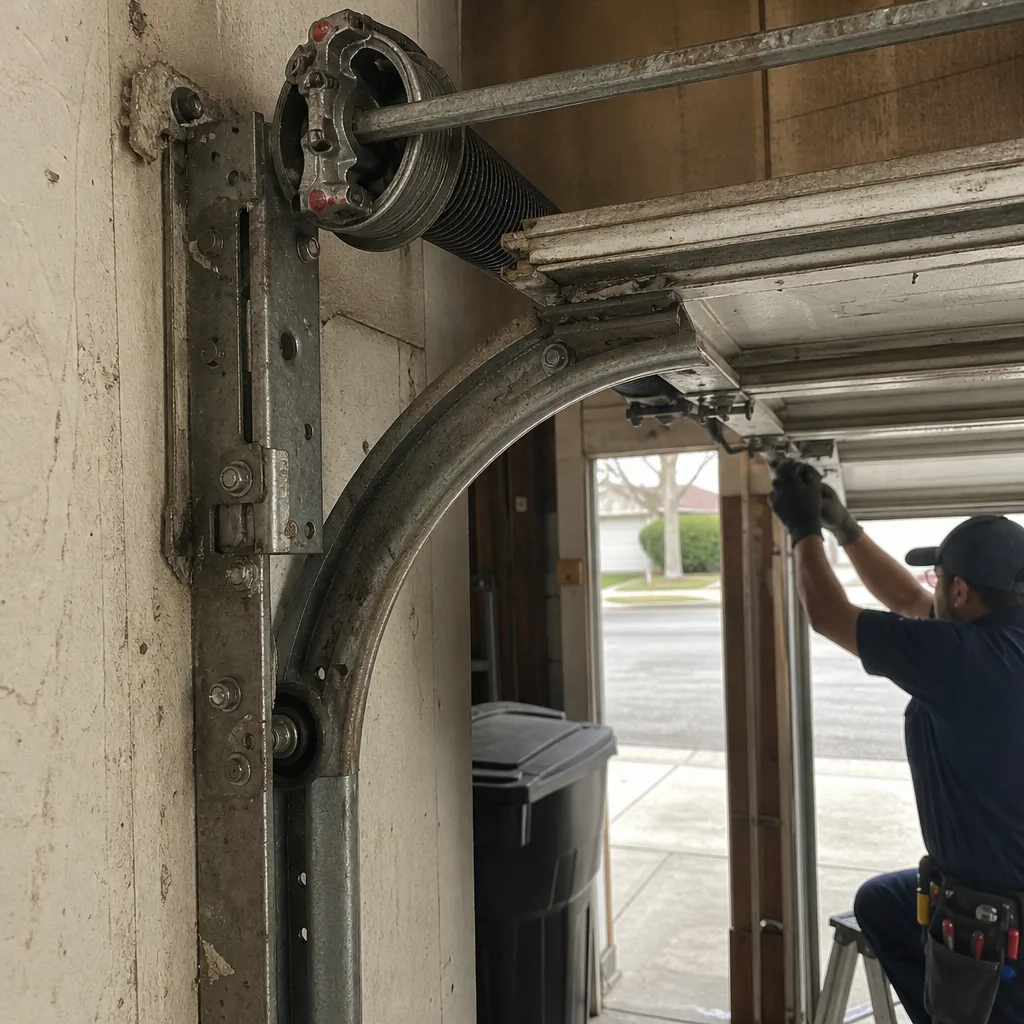 Before
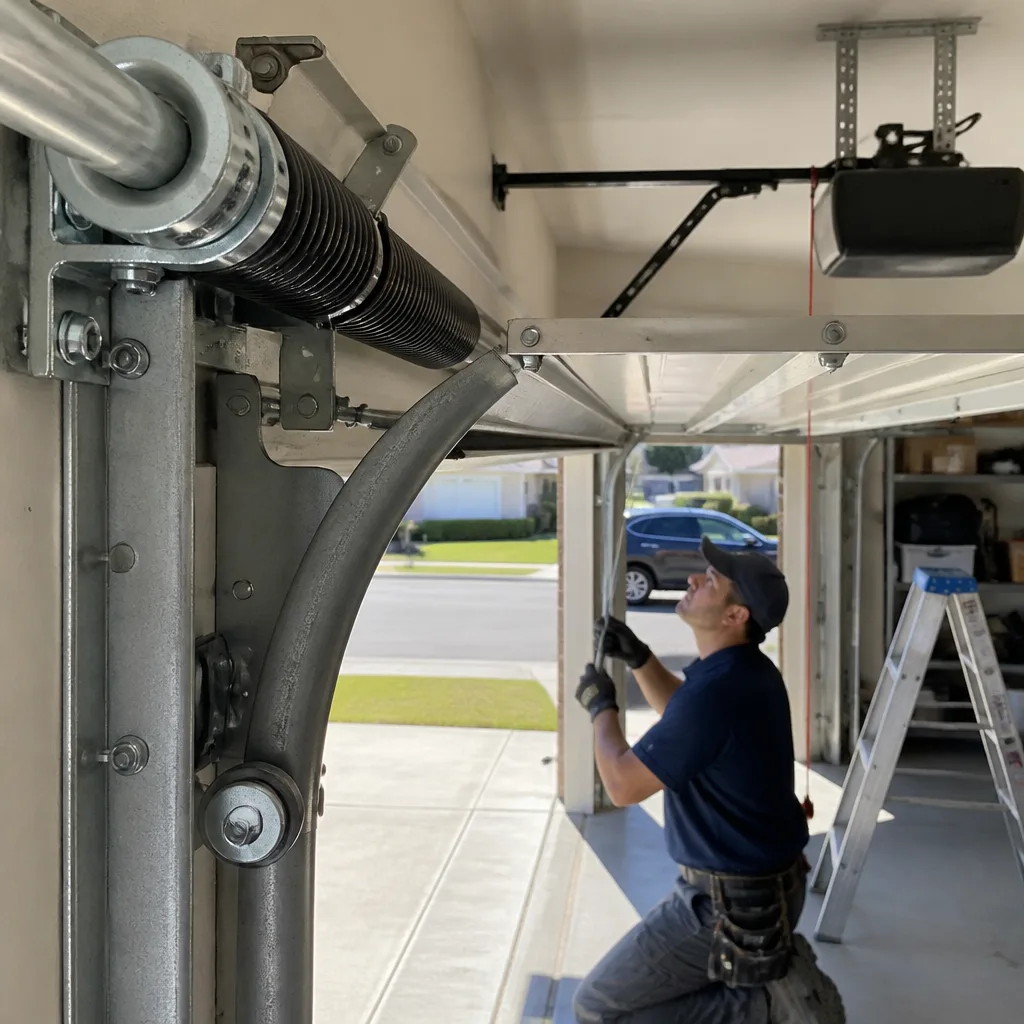 After
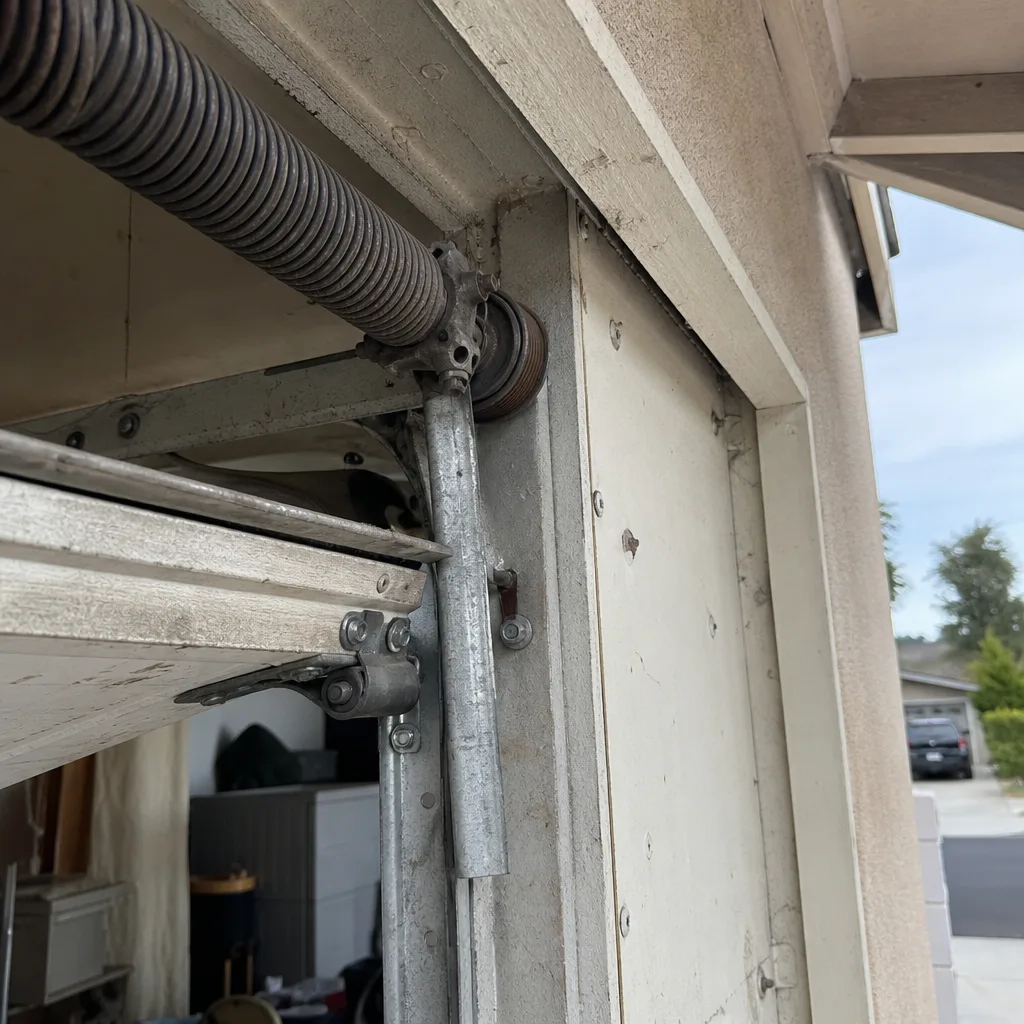 Before
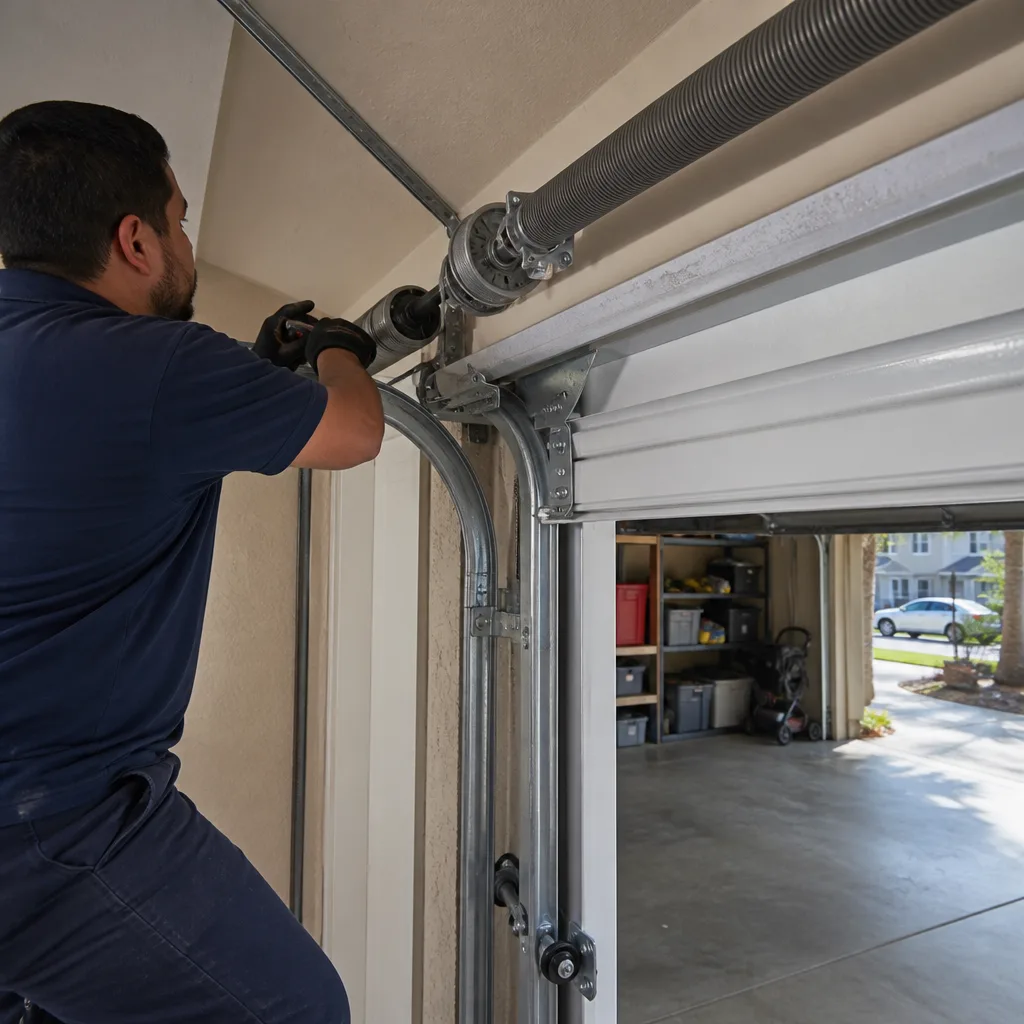 After
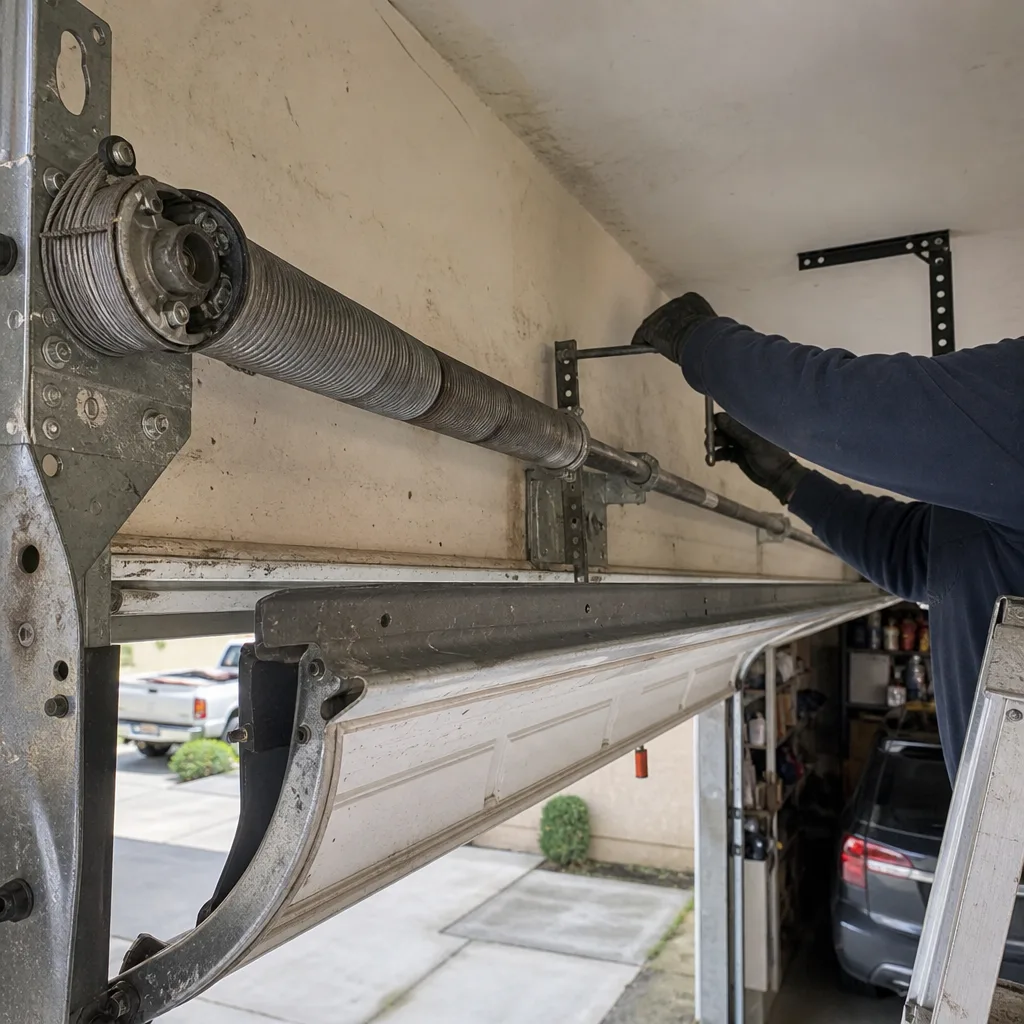 Before
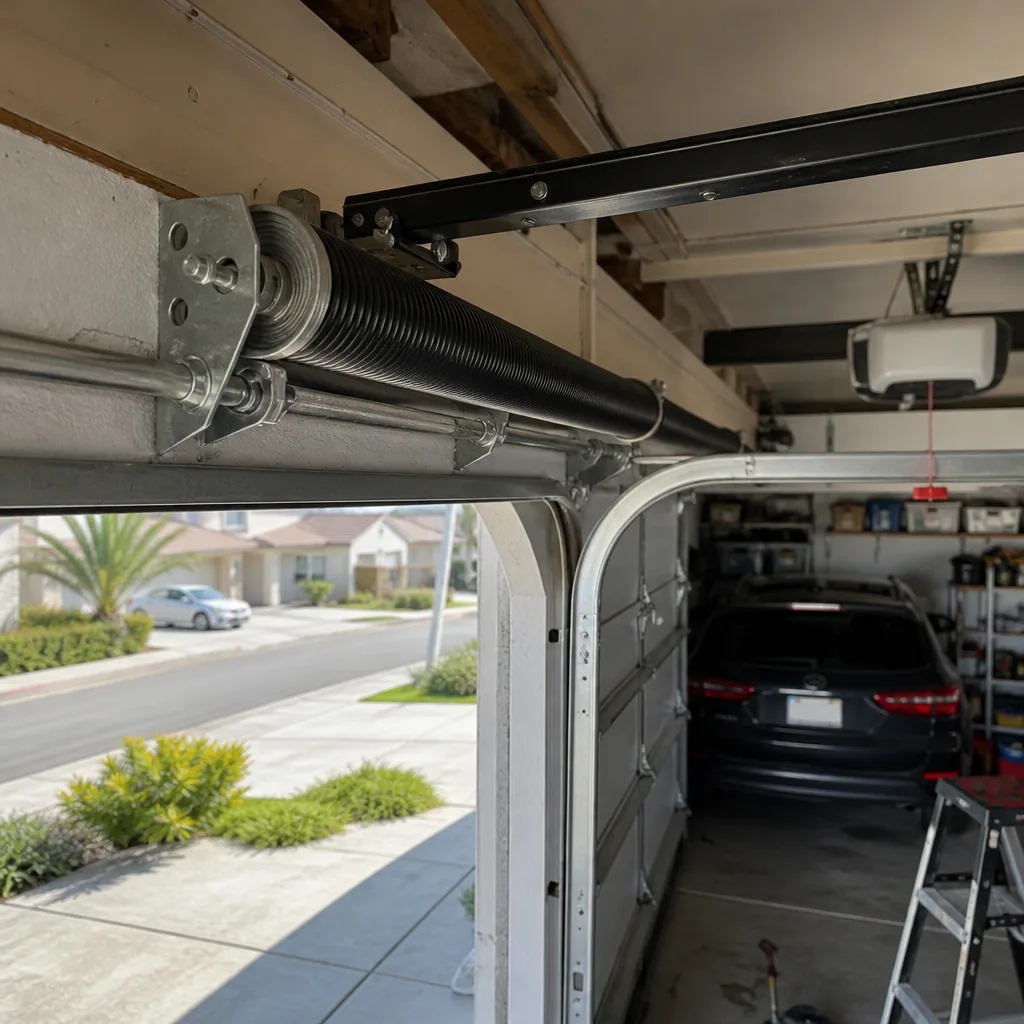 After