
Last updated November 2, 2026
 Raised-panel steel
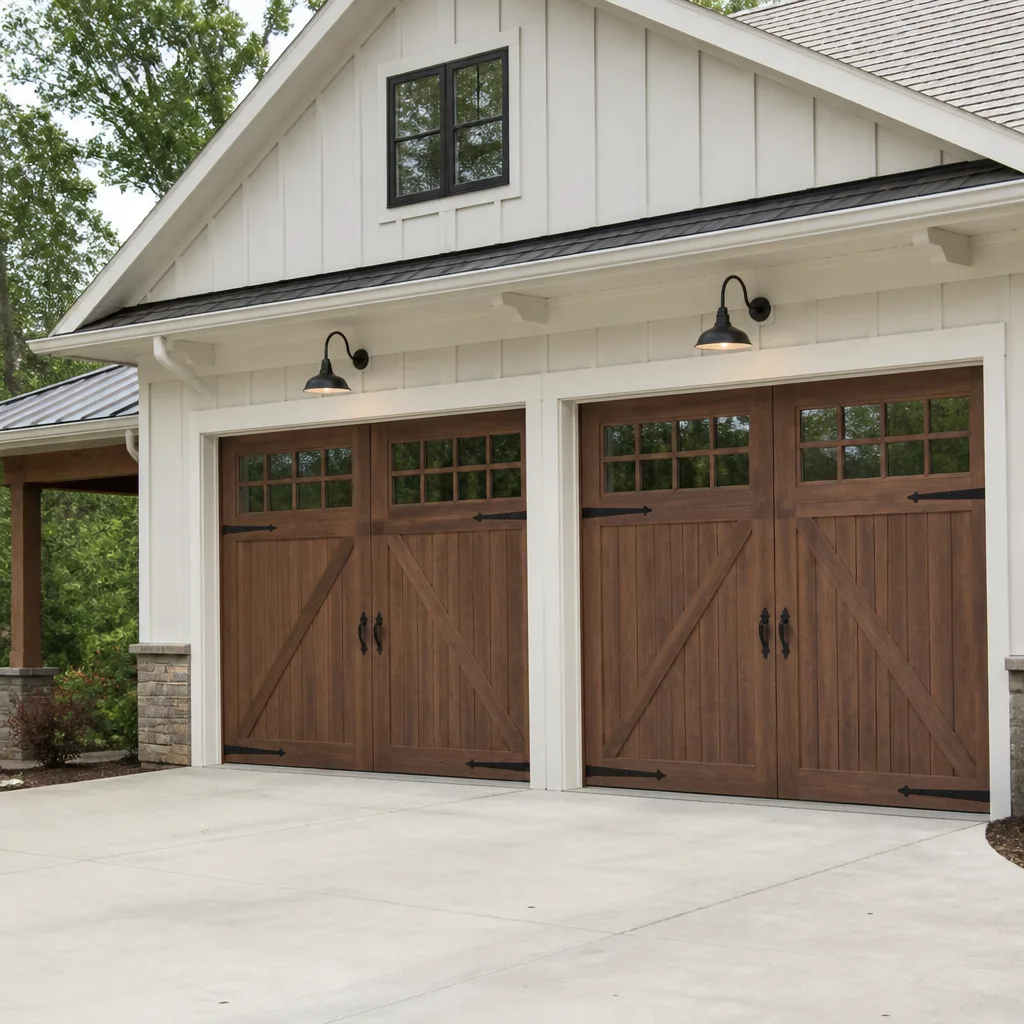 Carriage house
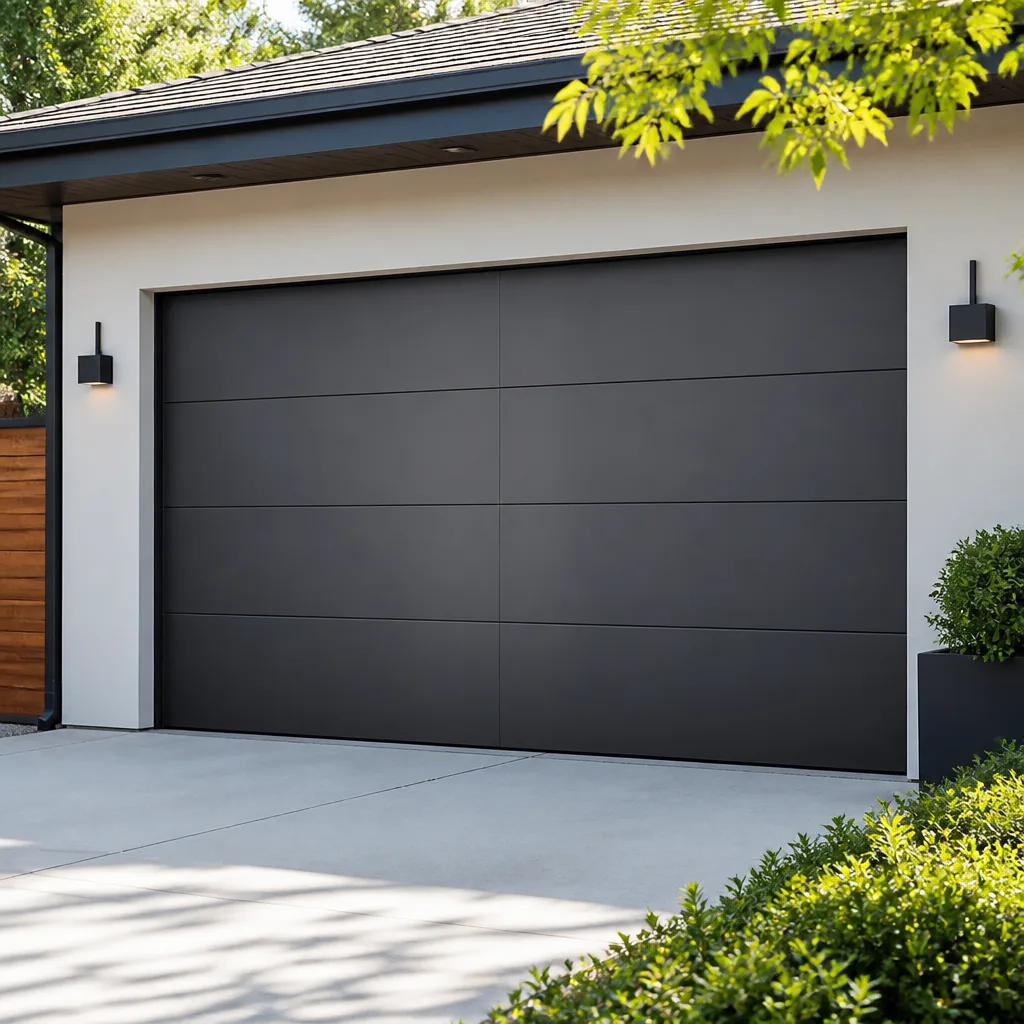 Modern flush
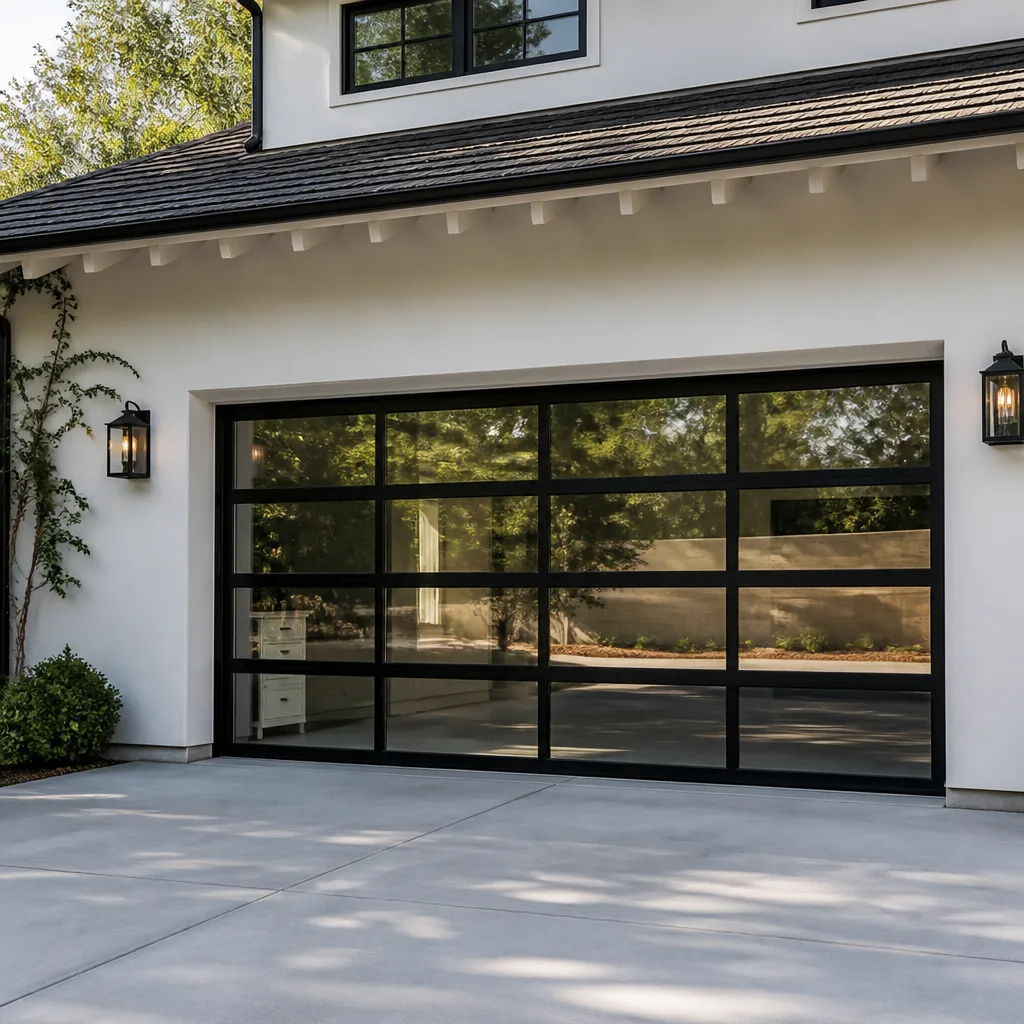 Full-view glass
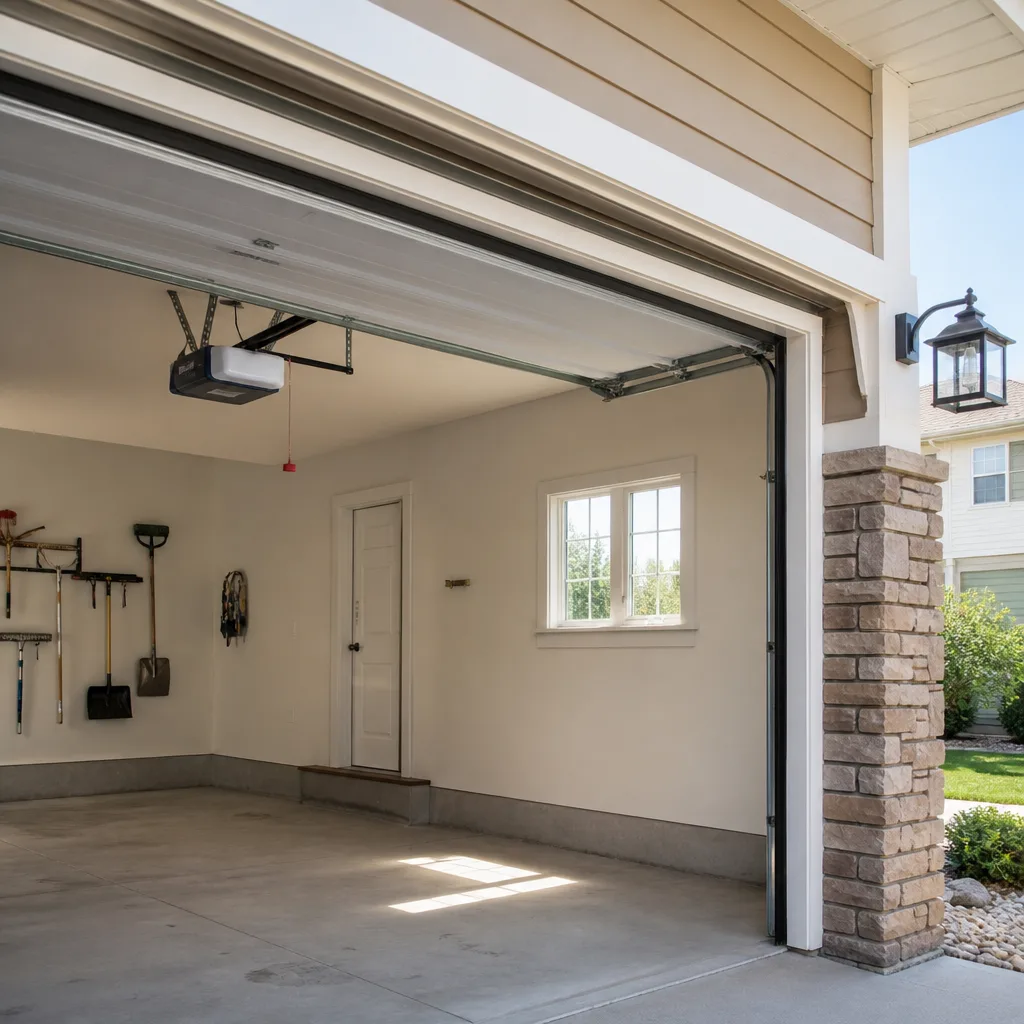 LiftMaster openers
 Chamberlain openers
Full 25-point door and opener safety check with every visit - springs, cables, rollers, tracks, and your LiftMaster or Chamberlain opener included
You get a price before we start. It does not change when the truck arrives.
Get your free estimateGarage Door Permits, Codes & Inspections in CA: What You Need to Know
Most Oxnard homeowners find out about garage door permits at the worst possible moment: during escrow, when a buyer’s inspector flags the unpermitted replacement and suddenly your asking price takes a hit. A garage door installation without a permit won’t cause a problem until the day you list your home for sale, and then it becomes a negotiating chip against you. We’ve watched this exact scenario unfold in Riverpark and Oxnard Shores more times than we can count. This guide walks through when California requires a permit, what Title 24 and UL 325 actually demand, how Oxnard’s building department processes applications, and what to do if you’ve already got unpermitted work on your hands.
Styles & brands we work with
- Raised-panel steel
- Carriage house
- Modern flush
- Full-view glass
- LiftMaster openers
- Chamberlain openers
Quick Answer
In California, a direct garage door repair (springs, cables, rollers, panels) requires no permit, but a full door replacement that changes the door’s size, weight, or structural attachment generally does. In Oxnard and Ventura County, replacing an entire garage door system, including the tracks and frame, triggers a building permit through the City of Oxnard’s Building and Safety division. Garage door opener replacement alone does not require a permit, but the opener itself must meet UL 325 safety standards and, if paired with a new door in a remodel, may trigger Title 24 energy compliance review. The distinction comes down to scope: swapping a broken part is maintenance; replacing the entire assembly is construction.
Table of Contents
- When a Repair Becomes a Replacement in California Code
- Oxnard & Ventura County: The Precise Permit Threshold
- California Title 24: When Energy Compliance Applies to Your Garage Door
- UL 325 Opener Safety Standards: What California Inspectors Actually Check
- Unpermitted Work and Real Estate Transactions: What Happens at Sale
- How to Pull a Permit Correctly in Oxnard: Department, Documents, Timeline, Fees
- Do I Need a Permit or Not? A Decision Guide for Oxnard Homeowners
- Common Mistakes to Avoid
- When to Call a Professional
- Frequently Asked Questions
- The Bottom Line
When a Repair Becomes a Replacement in California Code
California Building Code (CBC) Section 105 exempts “ordinary repairs” from permit requirements. Ordinary repairs are defined as work that restores a component to its original condition without changing its size, weight, capacity, or structural connection. Replacing a broken torsion spring, swapping out a bent roller, installing new cables, or replacing a cracked panel on an existing door frame all fall under this exemption. No permit, no inspection, no paperwork.
But the line moves the moment you start changing the assembly itself. The CBC treats a garage door as part of the building envelope, which means removing the old door, tracks, and mounting hardware and installing a new system is classified as an alteration, not a repair. In practice, this is where Oxnard homeowners get tripped up: a contractor replaces the entire door assembly during what the homeowner thought was a simple fix, and three years later the title company finds no permit on record.
Here’s the practical breakdown of what counts as repair versus replacement:
- Spring replacement (torsion or extension): No permit. A worn spring is an ordinary repair.
- Panel replacement on existing tracks: No permit, as long as the door’s weight class and track system remain unchanged.
- Opener motor replacement: No permit. The opener is an appliance, not part of the building structure.
- Full door replacement, same size and weight: Permit required. The mounting points, header brackets, and track system are being altered.
- Full door replacement with size change (widening or heightening the opening): Permit required, plus structural review of the header and possibly a new engineering calculation.
- Installing a new door where none existed before: Permit required. This is new construction, not alteration.
In Oxnard specifically, the city follows the 2022 California Building Standards Code (Title 24 of the California Code of Regulations) with local amendments. The threshold at which a replacement door triggers permitting is lower than what many national DIY articles suggest, because Oxnard’s coastal wind exposure adds structural requirements that inland cities don’t face. More on that below.
Oxnard & Ventura County: The Precise Permit Threshold
We’ll give you the direct answer here: if you’re replacing the entire garage door assembly in Oxnard, you need a permit from the City of Oxnard Building and Safety Division, and that permit will require a wind load calculation showing the new door meets the Coastal Zone requirements of CBC Chapter 16 and, for the specific installation, ASCE 7 wind design standards.
Here’s what the City of Oxnard Building and Safety Division actually looks at when you submit a garage door replacement permit:
- Scope of work description: The application must state whether the door is being replaced in-kind (same size, same weight class) or being altered. In-kind replacements ride a simpler review path, but still require a permit.
- Wind load documentation: Oxnard’s position on the Pacific coast places much of the city in a wind exposure category that requires manufacturer-issued wind load ratings for the specific door model being installed. Clopay and Amarr both publish wind load charts that inspectors reference. A door rated for inland Ventura County may not pass in Oxnard’s coastal zones, particularly in Oxnard Shores, Hollywood Beach, and Silver Strand.
- Product specifications: The door manufacturer’s installation drawings, including header attachment methods and track gauge. Inspectors are checking that the side brackets and header brackets are specified for the door’s weight and wind exposure.
- Contractor verification: If a contractor is doing the work, their state license must be active and in the correct classification. If the homeowner is doing the work themselves (owner-builder), they must sign an owner-builder declaration acknowledging they’re responsible for code compliance.
Ventura County unincorporated areas follow the County’s Building and Safety Division, which uses the same state code but has slightly different administrative requirements. If you live in an unincorporated pocket near Oxnard, such as El Rio or Nyeland Acres, you’ll file with the County, not the City. The permit threshold is identical: full replacements require permits; component repairs do not.
One specific we’ve seen repeatedly in Oxnard: homeowners in the tract homes of North Oxnard and the older neighborhoods near Downtown Oxnard often have garage doors that are 30 to 40 years old. Those original doors were installed under older code versions, and when they finally fail and get replaced, the new door must meet current standards, not the standards from when the house was built. That often means the replacement requires not just a permit, but a header inspection if the existing header shows any sag or cracking.
California Title 24: When Energy Compliance Applies to Your Garage Door
Title 24, Part 6 of the California Code of Regulations, is the state’s energy efficiency standard. Most Oxnard homeowners know it applies to windows and insulation; almost nobody knows it can apply to a garage door. Here’s when it does.
If your garage is conditioned space, meaning it has insulation, heating, or cooling, then the garage door is treated as a building envelope component and must meet the mandatory insulation and air leakage requirements in Title 24. If your garage is unconditioned, which describes the vast majority of garages in Oxnard, then the door itself has no insulation mandate.
But Title 24 doesn’t stop at the door panel. The opener is also covered. Since 2019, California has required that residential garage door openers sold or installed in the state meet specific standby power consumption limits. Openers must draw no more than 1 watt in standby mode, which effectively mandates DC motor technology in newer models. This is why newer LiftMaster and Chamberlain openers advertise their “California compliant” status. The requirement applies to any opener replacement, permitted or not, because it’s a product standard enforced at the point of sale and installation, not through the permit process.
Where Title 24 actually intersects with the permit process is when a full door replacement is part of a larger renovation. If you’re pulling a permit for a garage conversion, an ADU addition, or any remodel that triggers a Title 24 compliance review, the garage door may be pulled into that review. In those cases, you may need documentation showing the replacement door meets the applicable U-factor and air infiltration standards. This is where brand-specific documentation matters: Amarr and Clopay both publish Title 24 compliance data sheets for their insulated door lines. Wayne Dalton and Craftsman publish similar documentation for their respective product ranges. If you’re buying a no-name door from an online discounter, that compliance paperwork may not exist, and your permit will stall.
For most Oxnard homeowners doing a standalone door replacement on an unconditioned garage, Title 24 does not add compliance burden. But ask your installer whether they can produce Title 24 documentation if you ever need it. That’s the difference between a smooth permit and a week of back-and-forth with the building desk.
UL 325 Opener Safety Standards: What California Inspectors Actually Check
UL 325 is the safety standard for automatic garage door openers, and since 2016, California has been one of several states that enforces it through the building inspection process when a permit is involved. The standard covers two critical safety systems: the auto-reverse mechanism and the photoelectric sensors.
Auto-reverse is the feature that stops and reverses the door when it encounters resistance while closing, such as a child, a pet, or a bicycle. UL 325 requires that the door reverse within two seconds of detecting an obstruction. California inspectors testing a newly installed door will use a 2×4 laid flat under the closing door as the standard test object. The door must contact the board, reverse, and return to the open position without hesitation. If the force setting on the opener is too high, the door will crush the board against the concrete and the inspection fails.
Photoelectric sensors, usually mounted six inches off the floor on either side of the door opening, are the second safety layer. UL 325 requires that an obstruction breaking the sensor beam causes the door to reverse or stop. California inspectors check that the sensors are properly aligned, mounted at the correct height, and wired so that a wiring short causes the door to fail in the safe direction, not the dangerous one.
What California enforcement looks like at the inspection level:
- Final inspection includes a functional test of the auto-reverse mechanism. The inspector will not simply look at the door; they will test it. If it fails, you’ll be scheduled for a re-inspection.
- Sensor placement is checked against the manufacturer’s installation drawing. Sensors mounted too high or recessed into the wall in a way that reduces beam coverage will be flagged.
- The opener model must bear a UL listing mark. If the opener is not UL listed, the inspection stops there. All major brands including LiftMaster, Chamberlain, Genie, and Craftsman produce UL-listed openers, but some imported units sold online do not carry the mark.
- Permitted work requires all safety devices to be operational at final inspection. You cannot legitimately pass a final inspection on a permitted garage door project with a non-functional opener safety system.
- The buyer’s agent will use unpermitted work as a negotiating tool. Even though the work may be perfectly safe, the missing permit creates a legal exposure. The buyer can demand the seller obtain an after-the-fact permit, make repairs to bring the work into compliance, or reduce the price to cover the unknown cost of both.
- Lenders may refuse to close on properties with unpermitted structural work. Most lenders won’t fund a loan on a home with known unpermitted work that touches the building envelope. The garage door is part of the exterior wall; if the lender’s appraiser notes the unpermitted door, the loan can die on the spot.
- Title insurance companies may except the work from coverage. If the title company discovers unpermitted work, they may issue the policy with an exception, meaning future claims related to that door are not covered. That exception becomes a permanent disclosure the seller must make to any subsequent buyer.
- The after-the-fact permit process is more expensive than doing it right the first time. An after-the-fact permit requires the same plan review and inspection as a pre-permit, plus a penalty fee that in California can reach two times the standard permit fee, plus whatever corrections the inspector requires.
- Confirm you can’t file online. The City of Oxnard Building and Safety Division operates out of City Hall West at 300 West Third Street, but for a simple garage door replacement, the city increasingly accepts electronic submittals through its online permit portal. Check the portal first; if this exact permit type isn’t available online, you’ll file in person.
- Prepare your documents. You’ll need the manufacturer’s wind load documentation for the specific door model, the installation drawings showing header and side bracket specifications, and, if you’re hiring a contractor, their active California contractor license number with the correct classification. If you’re the homeowner doing the work, you’ll complete an owner-builder form.
- Complete the building permit application. The application asks for the project address, the scope of work, the estimated valuation (the materials and labor cost), and the contractor or owner-builder information. Be honest on the valuation; undervaluing the work doesn’t meaningfully reduce the fee and can trigger additional scrutiny.
- Submit and pay. For a straightforward garage door replacement, plan review is usually same-day or next-day if the wind load documentation is complete. Permit fees in Oxnard for a residential garage door replacement typically range from $150 to $400 depending on valuation, plus any applicable surcharges. An after-the-fact permit will include a penalty multiplier on top of the standard fee.
- Schedule the inspection. Once the work is complete, you’ll call or submit a request for final inspection. The inspection will cover the door installation itself, the wind load attachment points, and, if a new opener is part of the project, a UL 325 safety device test. Inspection scheduling in Oxnard is typically one to two business days out for residential projects.
- Pass the final inspection and keep the permit card. Once the inspector signs off, the permit is closed. Keep the finaled permit with your property records. This is the document your title company and buyer’s agent will look for when you sell.
- Replacing a broken spring, cable, or roller on an existing door
- Replacing one or more damaged panels on existing tracks, same size and weight
- Replacing a garage door opener motor
- Adjusting opener force settings or realigning sensors
- Replacing weather stripping or bottom seals
- Repainting or cosmetic work on the door surface
- Replacing the entire door assembly, including tracks and mounting hardware
- Replacing a door with one that is a different size or weight class
- Widening or heightening the garage door opening
- Installing a door where none previously existed
- Any structural modification to the header, jambs, or supporting wall
- Garage conversions or remodels where the door system is part of permitted work
- Assuming a “repair” is the same as a “replacement” because the door looks similar. If your installer removes the old door and mounts a new one, that’s a replacement, even if the new door is the same size. Oxnard’s code enforcement doesn’t care what it looks like; they care what was done to the building envelope.
- Buying a budget door online with no wind load documentation. In Oxnard’s coastal exposure areas, the permit review will stall without manufacturer wind load ratings. Cheaper doors from no-name brands often don’t have that data because they were never tested for California’s coastal wind zones.
- Skipping the permit because the contractor said “we don’t need one for this.” Some contractors say this because they genuinely believe it, some because they want to avoid the inspection, and some because they’re not licensed in California and pulling a permit would expose them. In Oxnard, a full door replacement requires a permit, and every honest contractor knows it.
- Testing the auto-reverse system by hand instead of with an actual obstruction. Homeowners sometimes wave a hand under the closing door and believe the sensors are working. The California test uses a solid object, and if the door fails that test at inspection, your project gets red-tagged. Test with a 2×4, not your hand.
- Replacing only the door and keeping a 20-year-old opener, then expecting the whole system to pass inspection. The inspector tests whatever opener is attached to the new door. If the old opener’s force settings or sensors are out of calibration, the inspection fails, not the door.
- Hiding unpermitted work from a buyer instead of fixing it before listing. In California, sellers must disclose known unpermitted work. Failing to disclose it is fraud and can open you to a lawsuit after the sale closes. The better move is to resolve the permit and file the paperwork before the listing photos are even taken.
- Pulling the permit but never calling for the final inspection. A permit that was issued but never finalized is just as problematic as no permit at all. The permit record shows “open” status, and that opens the same can of worms during a sale. Close the permit when the work is done.
One thing Oxnard inspectors are particularly strict about, in our experience, is the choke point at the bottom weather seal. If the door’s force setting has to be raised beyond the manufacturer’s specified maximum to close the door against the weather seal, the inspector will fail the auto-reverse test and may flag the door as improperly installed. This is an installation quality issue, and it’s exactly the kind of thing that separates a competent garage door specialist from a general contractor who installs one door a month.
Garage door openers are, in the plainest terms, dangerous when they malfunction. A door that doesn’t reverse can kill a child or a pet, and a spring that breaks under tension can severely injure an adult. California’s inspection process exists for that reason. We don’t recommend adjusting force settings or sensor wiring yourself; get someone who works on these systems daily and knows the calibration points for your specific brand.
Unpermitted Work and Real Estate Transactions: What Happens at Sale
Here’s the scenario we see most often in Oxnard: a homeowner replaced their garage door eight years ago, the contractor never pulled a permit, the homeowner never knew a permit was needed, and now the house is under contract. The buyer’s home inspector flags the unpermitted garage door replacement. The appraiser notes it. The lender asks questions. And suddenly, that perfectly good garage door is a $5,000 to $10,000 problem.
What’s actually happening in that transaction:
If you already have unpermitted work and you’re planning to sell, resolve it before listing. The process in Oxnard is the same as a pre-permit: file with the City Building and Safety Division, mark the application as “after-the-fact,” and request an inspection. The inspector will evaluate the installed door against current code. If it passes, you get a permit and a clean file. If it doesn’t pass, which is more likely for older doors or doors installed without wind-load documentation, you’ll need to correct the deficiencies. That might mean reinforcing the header, replacing the tracks, or in the worst case replacing the door entirely.
The cost of resolving it before listing is almost always lower than the price concession a buyer will demand once they know about it, because a buyer’s price reduction assumes the worst-case remediation cost plus inconvenience. We’ve worked with Oxnard sellers in Riverpark, Oxnard Shores, and the neighborhoods around Pacifica High School to fix unpermitted door installations before listing. The difference in final sale price routinely covers the cost of the corrections several times over.
How to Pull a Permit Correctly in Oxnard: Department, Documents, Timeline, Fees
Pulling a garage door permit in Oxnard is not complicated if you know where to go and what to bring. Here’s the step-by-step:
The timeline from filing to finaled permit is usually under two weeks when the paperwork is complete and the installation is done correctly. Delays typically come from missing wind load documentation or a failed inspection due to auto-reverse or sensor issues. If you’re working with a garage door specialist who deals with these permits regularly, the process moves faster because the documentation package is assembled correctly the first time.
For what it’s worth, if you’re reading this because you just had a door replaced and you’re not sure whether a permit was pulled, you can call the City of Oxnard Building and Safety Division and ask them to check the permit history on your address. That call takes five minutes and gives you a definitive answer.
Do I Need a Permit or Not? A Decision Guide for Oxnard Homeowners
Let’s condense everything above into a decision you can actually use. Here’s the cheat sheet:
No permit needed
Permit required
If you’re not sure which category your project falls into, call the Oxnard Building and Safety Division directly. They answer this question all day long, and the answer is free. Or call us at (833) 706-7472 and we’ll tell you based on the specific door and opener you have. We work on every major brand including Amarr, Clopay, Wayne Dalton, and Craftsman, so we can usually tell you exactly what the permit path will look like for your specific setup.
The line between repair and replacement in Oxnard is not something to guess at, because the consequences of guessing wrong show up at the worst possible time. If the work will change the permanent structure of your garage, treat it as permitted work. If it restores what’s already there, you’re in the clear.
Common Mistakes to Avoid
When to Call a Professional
If your garage door needs a full replacement, the permit conversation should happen before the first panel comes off the truck. A garage door specialist who works in Oxnard regularly will know whether your specific address falls in a coastal wind exposure zone, what the Oxnard Building and Safety Division currently requires for documentation, and how to schedule the inspection so it doesn’t stretch the project into a second week. If your existing door has visible sag in the header or cracks in the surrounding stucco, the permit review may require a closer look at the structure before any new door is approved, and that’s another reason to have someone experienced involved early. Garage Door Installation in Oxnard work regularly intersects with permit and code requirements, and we handle the paperwork as part of the installation process. Garage doors are all we do, so the permit nuances that surprise general contractors are just part of our daily routine. Garage Door Repair in Oxnard is our primary service for existing doors that need springs, cables, rollers, or panels addressed without touching the structural assembly. If your opener is the problem, Garage Door Opener Repair in Oxnard covers brand-specific diagnostics for LiftMaster, Chamberlain, Genie, Clopay, Amarr, Wayne Dalton, Craftsman, and Raynor systems. For the broader picture of what we do, our Garage Door Repair Oxnard home page is a good starting point. Garage Door Repair Oxnard offers free estimates in Oxnard, call (833) 706-7472.
Frequently Asked Questions
A residential garage door replacement permit in Oxnard typically runs $150 to $400 depending on the project valuation, plus an after-the-fact penalty multiplier if the work was already completed without a permit. The exact fee is calculated at the Building and Safety Division counter. Call (833) 706-7472 and we can give you a realistic range for your specific project before you file.
Yes, California allows homeowners to act as owner-builders on their own property, including garage door replacements, as long as you file the permit yourself and the work passes inspection. The risk is that you’re personally responsible for meeting wind load, structural attachment, and UL 325 safety requirements, and most DIY installs we see in Oxnard fail the auto-reverse test or lack the right wind load documentation.
No, a garage door opener replacement alone does not require a building permit in Oxnard or anywhere in California, because the opener is classified as an appliance rather than part of the building structure. The new opener must still be UL 325 compliant and meet California’s standby power consumption standard. If the opener replacement is part of a larger permitted project, the UL 325 safety devices will be tested at final inspection.
If unpermitted garage door work is discovered during the sale, which happens routinely when buyers’ inspectors review permit histories, you’ll face one of three outcomes: the buyer demands an after-the-fact permit and corrections, the lender refuses to fund until the work is resolved, or you reduce the sale price by an amount that typically far exceeds the cost of fixing the issue. California law also requires you to disclose unpermitted work on the transfer disclosure statement, and failing to do so creates post-sale legal exposure.
Replacing one or more damaged panels on your existing tracks and frame does not require a permit in Oxnard, provided the replacement panels match the original door’s weight and wind load specifications. If the panel replacement changes the door’s weight enough to require new springs, cables, or track adjustments, the repair is still exempt as long as the structural attachment points are unchanged. This kind of work is our bread and butter at Garage Door Repair in Oxnard.
A straightforward garage door replacement permit in Oxnard generally takes one to two days for plan review if your wind load documentation is complete, and final inspection is typically scheduled within one to two business days after the work is finished. From filing to final inspection, most projects complete in under two weeks. Complex cases involving structural modifications to the header or opening can extend the timeline by several weeks.
The Bottom Line
The garage door permit question in California comes down to one distinction: are you fixing what’s there, or changing it? Repair and maintenance don’t need permits. Replacement does, especially in Oxnard, where coastal wind load requirements make the permit meaningful and the inspection necessary. The cost of doing it right is a few hundred dollars and a week of paperwork. The cost of doing it wrong shows up years later at the closing table, in the form of a price reduction, a failed loan, or a lawsuit. Every Oxnard homeowner with a garage door will eventually face this decision, and the smart move is to answer the permit question before the contractor shows up, not after the door is hung. If you’re in Oxnard and planning any garage door work, from a spring replacement to a full Garage Door Installation in Oxnard, call (833) 706-7472. We’ll tell you whether you need a permit, what it will cost, and how to get it done right the first time.
Written by the team at Garage Door Repair Oxnard, serving Oxnard since 2016.
See the difference
 Before
 After
 Before
 After
 Before
 After